Home Loan Interest Rates in India: Guide to Finding the Lowest Rates
The Quick Breakdown: What You Need to Know Now
- Repo Rate Influence: Most loans are tied to the Reserve Bank of India's benchmark; when they move, your EMI usually follows.
- Credit Score is King: A CIBIL score above 750 can literally save you lakhs of rupees over the life of your loan.
- Floating vs. Fixed: Floating rates are the standard in India, but fixed rates provide a shield against inflation (at a higher initial cost).
- Prepayment Power: Paying off extra principal early is the fastest way to kill a high-interest loan.
How Interest Rates Actually Work in India
To understand your monthly payment, you first have to understand the Reserve Bank of India is India's central banking institution that regulates the monetary policy and controls the money supply. Also known as RBI, it sets the benchmark for all other banks.
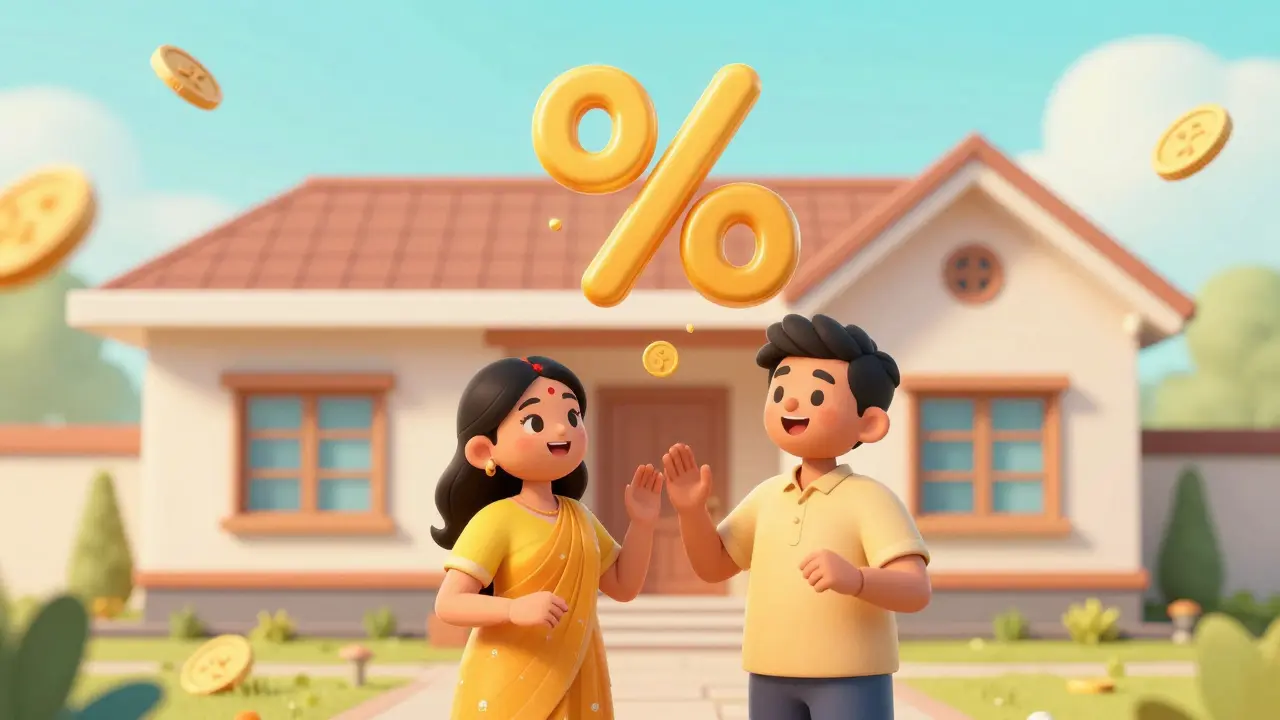
The most critical number for you is the Repo Rate is the rate at which the central bank lends money to commercial banks . When the RBI raises the Repo Rate to fight inflation, commercial banks like SBI or HDFC pass that cost to you. This is why your Home Loan Interest Rates in India might jump from 8.5% to 9% without you signing a new contract.
Banks typically use an External Benchmark Lending Rate (EBLR). This means your loan is directly linked to the Repo Rate plus a "spread" (the bank's profit margin). For example, if the Repo Rate is 6.5% and the bank's spread is 2%, your final interest rate is 8.5%. This transparency was introduced to stop banks from keeping rates high even after the RBI lowered them.
Floating vs. Fixed Rates: Which One Wins?
Choosing between a floating and fixed rate is like betting on where the economy will be in five years. A Floating Interest Rate is a loan rate that fluctuates over time based on market benchmarks . Most Indian borrowers pick this because it's generally cheaper at the start and allows for prepayment without penalties.
On the other hand, a Fixed Interest Rate is a loan where the interest rate remains constant for a specific period or the entire tenure . While it protects you from rate hikes, banks often charge a premium for this peace of mind. You might pay 10% fixed when the floating rate is 8.5%. If the market crashes and rates drop, you're stuck paying that high fixed price unless you pay a hefty fee to switch.
| Feature | Floating Rate | Fixed Rate |
|---|---|---|
| Initial Cost | Lower | Higher |
| Risk | Rates may increase | Locked in high rates |
| Prepayment Penalty | Usually Zero | Often Applicable |
| Best For... | Long-term stability/Market faith | Short-term predictability |

The Secret Weapon: Your CIBIL Score
You can walk into a bank with the same income as your neighbor, but you might get a lower interest rate. The difference is usually the CIBIL Score is a three-digit credit score that indicates the creditworthiness of an individual in India . This score, managed by TransUnion CIBIL, tells the lender if you're a risk.
If your score is 800, you're a "prime" borrower. Banks will compete for your business, offering you a rate 0.25% to 0.50% lower than average. That sounds small, but on a ₹50 lakh loan over 20 years, a 0.5% difference can save you over ₹3 lakh in pure interest. If your score is below 650, you might face higher rates or even a rejection.
How to Negotiate the Best Deal
Most people just take the first offer from their salary account bank. That's a mistake. To get the best deal, you need to treat this like a business transaction. First, get quotes from three different types of lenders: a public sector bank (like SBI), a private bank (like ICICI), and a housing finance company (like LIC Housing Finance).
When you have these offers, go back to your preferred bank and show them the competitor's lower rate. Ask them to match it. Banks hate losing a high-value customer over a fraction of a percentage point. Also, check for "hidden" costs. Some banks offer a lower rate but charge a high processing fee-sometimes up to 1% of the loan amount. Always negotiate that fee down; often, they'll waive it entirely during festive seasons or for high-score borrowers.

Crushing Your Debt Faster with Prepayments
The biggest mistake borrowers make is sticking to the Equated Monthly Installment (also known as EMI) a fixed payment amount made by a borrower to a lender every month for 20 years. In the first few years of a home loan, most of your EMI goes toward interest, not the principal.
To beat the bank, use the "One Extra EMI" strategy. By paying just one additional EMI per year, you can potentially shave 3 to 5 years off your loan tenure. Even better, whenever you get a yearly bonus, put it directly into the loan principal. Because home loans are calculated on a reducing balance, every rupee you pay toward the principal today stops you from paying interest on that rupee for the next decade.
Common Pitfalls to Avoid
Beware of "Hybrid Loans." These are loans that are fixed for the first 2-3 years and then switch to floating. They sound like the best of both worlds, but the switch often happens at a point where the bank's spread increases, leaving you with a higher rate than a pure floating loan would have had.
Another trap is the "Overdraft Home Loan." While it allows you to park extra cash and reduce interest, the interest rates are typically higher than standard home loans. Unless you have a very volatile income and need the liquidity, a standard term loan is usually more cost-effective.
Why is my home loan EMI increasing even though I have a fixed tenure?
If you have a floating rate loan, banks often keep the EMI constant and increase the tenure when interest rates rise. However, if the tenure reaches a maximum limit (usually 30 years), the bank is forced to increase your monthly EMI to ensure the loan is paid off on time.
Can I switch my home loan to another bank for a lower rate?
Yes, this is called a "Home Loan Balance Transfer." You can move your outstanding principal to a new bank offering a lower interest rate. Just make sure the savings in interest outweigh the processing fees and legal costs of the new loan.
What is the ideal LTV ratio for a home loan in India?
Loan-to-Value (LTV) is the percentage of the property value the bank lends. Most banks lend up to 80-90% of the property value. An ideal LTV is around 70-75%, meaning you put more money down. This reduces your interest burden and makes you a more attractive borrower to the bank.
Does a higher down payment help in getting lower interest rates?
Yes. A higher down payment reduces the bank's risk. When the LTV is lower, lenders are more likely to offer competitive rates because they know you have significant skin in the game and the collateral strongly covers the loan amount.
How does the RBI Repo Rate affect my existing loan?
Since most modern loans are linked to the Repo Rate via EBLR, any change made by the RBI typically reflects in your loan within one to three months. If the Repo Rate goes up by 0.25%, your interest rate will likely increase by the same amount.
Next Steps for Your Home Loan Journey
If you're just starting, your first move should be to download your latest credit report. If your score is low, spend six months paying off small debts and keeping your credit utilization under 30% before applying. This simple step can save you thousands in interest.
For those already in a loan, review your latest interest certificate. If your current rate is more than 0.5% higher than what the market is currently offering new customers, it's time to either negotiate with your current bank or start looking at balance transfer options. Don't just let the bank collect interest-be active in managing your debt.