
Pledged Shares Explained: A Guide to Promoter Pledging in India
The Mechanics of Promoter Pledging
When we talk about Promoters, we mean the people who started the company or the controlling shareholders. These individuals often have huge wealth on paper because they own millions of shares, but they might not have enough liquid cash for personal investments or to fund another business venture. Instead of selling their shares-which would reduce their control over the company and potentially crash the stock price-they pledge them. Here is how the process works in real-time. The promoter enters into a loan agreement with a lender, like HDFC Bank or a private equity firm. The shares are transferred to the lender's account or a trustee. The lender provides the loan based on a certain percentage of the shares' market value. If the stock price stays steady or goes up, everything is fine. But the stock market is volatile, and that's where the danger kicks in.Why This Is a ticking Time Bomb for Investors
Why should you care if a promoter has pledged their shares? Because of something called a "margin call." Lenders don't just look at the value of the shares the day the loan was taken; they monitor the price every single day. If the share price drops significantly, the value of the collateral falls. The lender will then ask the promoter to either provide more collateral (more shares) or pay back a portion of the loan immediately to cover the gap. If the promoter is already in a cash crunch, they can't pay. The lender then has the legal right to sell those pledged shares in the open market to recover their money. Since these are usually large blocks of shares, a sudden sell-off creates a massive supply shock. This leads to a cascading effect: the lender sells shares $\rightarrow$ price drops further $\rightarrow$ more margin calls are triggered $\rightarrow$ more shares are sold. This is often how a steady stock transforms into a crashing one overnight.| Scenario | Promoter Action | Impact on Stock Price | Risk Level |
|---|---|---|---|
| Low Pledging (< 10%) | Using funds for organic growth | Neutral to Positive | Low |
| High Pledging (> 50%) | Funding other failing ventures | High Volatility | Extreme |
| Rapidly Increasing Pledging | Urgent need for liquidity | Bearish Signal | High |
| Pledge Reduction | Paying off debts | Bullish Signal | Decreasing |
The Difference Between Good and Bad Pledging
Not all pledging is a sign of disaster. It's all about the "why." If a promoter pledges a small percentage of their holdings to fund a strategic acquisition that will double the company's revenue in two years, it's a calculated risk. We see this often in aggressive growth phases of mid-cap companies. However, the danger zone is when pledging is used to fund a completely unrelated business or to cover personal losses. For example, if a promoter of a textile company pledges shares to gamble on a volatile crypto project or a failing real estate venture, the textile company is now at the mercy of an unrelated failure. This is known as "cross-collateralization" risk. When the side-venture fails, the main company's stock gets dragged down because the promoter is forced to sell shares to cover the losses.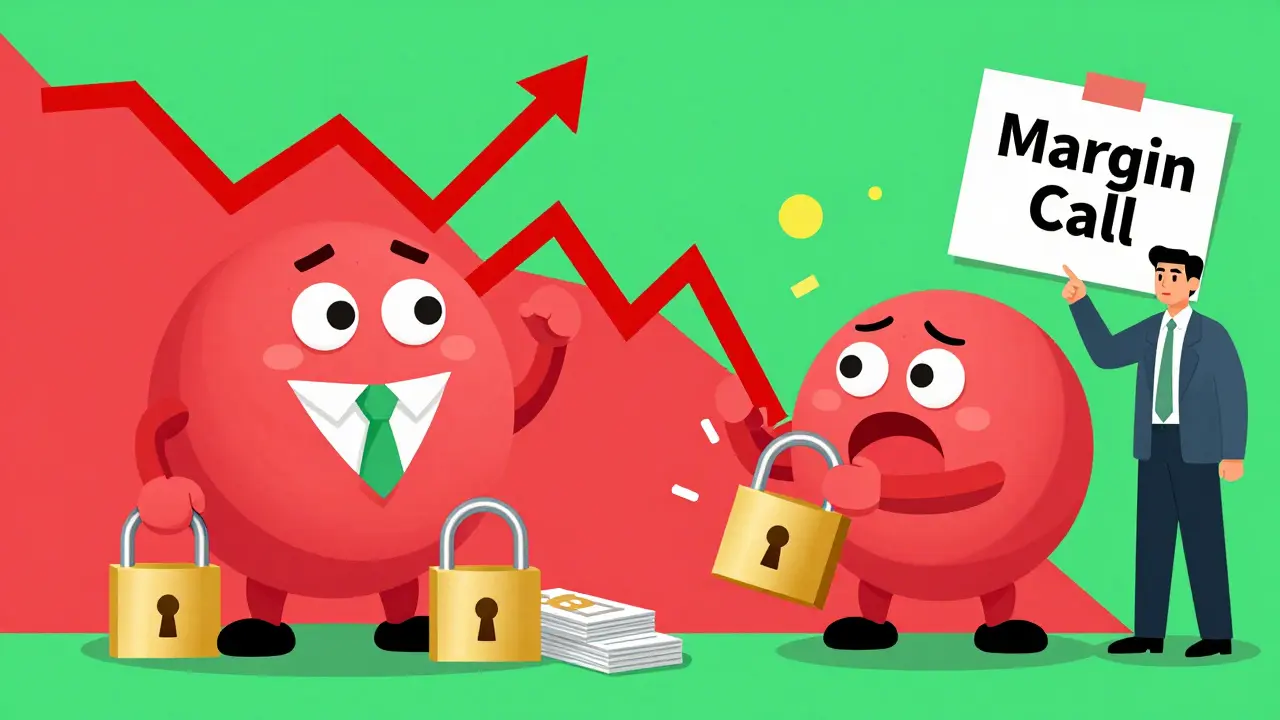
How to Track Pledging in the Indian Market
In India, the Securities and Exchange Board of India (or SEBI) has strict rules about disclosure. Publicly listed companies must disclose the percentage of pledged shares in their quarterly shareholding patterns. You can find this information on the BSE (Bombay Stock Exchange) or NSE (National Stock Exchange) websites. When you look at the shareholding pattern, check the "Promoter and Promoter Group" section. Look for the column titled "Pledged of total holdings." If you see this number creeping up over three or four consecutive quarters, it's time to be cautious. A red flag isn't just a high number; it's an increasing trend. If a promoter has 30% pledged but is steadily bringing it down to 10%, that's actually a very positive sign that the company is generating enough cash to deleverage.The Role of NBFCs and Banks in the Cycle
Lenders like NBFCs (Non-Banking Financial Companies) are often more aggressive than traditional banks. They might offer higher loan-to-value (LTV) ratios, which means the promoter can get more money for fewer shares. While this helps the promoter in the short term, it makes the stock even more sensitive to price drops. A small dip in price can trigger a margin call much faster when the LTV is high. This creates a symbiotic but dangerous relationship. The lender makes a high interest rate on the loan, and the promoter gets quick cash. But the retail investor, who doesn't have a seat at the negotiation table, becomes the one who bears the brunt of the volatility when the lender decides to liquidate the shares.
Practical Checklist for Evaluating Pledged Shares
Before you invest in a company with pledged shares, run through these questions:- What is the total percentage? If more than 25% of the promoter's stake is pledged, proceed with extreme caution.
- Is the trend increasing or decreasing? Check the last four quarters. Rising pledges are a warning sign.
- Where is the money going? Read the annual reports. Is the loan for company Capex (good) or for "other purposes" (bad)?
- How volatile is the stock? If the stock has a high Beta, a sudden drop is more likely to trigger a margin call.
- Is there a strong cash flow? If the company is making real profit, the promoter can easily pay off the pledge. If it's a loss-making company, they are trapped.
Looking Beyond the Numbers
Ultimately, pledging is about trust and stability. When a promoter pledges a huge chunk of their company, they are essentially betting their control over the business. If you see a company where 80% of the promoter's stake is pledged, you aren't just investing in a business; you're investing in the hope that the stock price doesn't hit a certain floor. Once that floor is hit, the promoter loses control, the lenders take over, and the stock usually enters a freefall. Keep an eye on the news for any "pledge invocation" notices. This is the legal term for when a lender starts selling shares because the promoter failed to meet the margin call. Once you see this phrase associated with a stock you own, the priority shifts from "making a profit" to "capital preservation."What happens if a promoter cannot pay back a loan against pledged shares?
If the promoter fails to provide additional collateral or cash during a margin call, the lender (bank or NBFC) has the right to sell the pledged shares in the open market. This usually leads to a sharp decline in the stock price due to the sudden increase in selling pressure.
Is all promoter pledging bad for the company?
No, not necessarily. If a promoter pledges a small amount of shares to fund a project that creates more value for the company (like building a new factory or acquiring a competitor), it can be a smart strategic move. It becomes bad when the funds are used for personal expenses or unrelated, risky businesses.
Where can I find the pledging data for a specific Indian stock?
You can find this in the "Shareholding Pattern" section of the company's filings on the BSE or NSE websites. Most financial news portals and stock screening tools also highlight the percentage of promoter pledging in their company analysis tabs.
What is a margin call in the context of pledging?
A margin call happens when the market value of the pledged shares falls below a certain threshold set by the lender. The lender demands that the promoter either deposit more cash or pledge more shares to maintain the required collateral ratio.
Does SEBI regulate promoter pledging?
Yes, SEBI requires listed companies to disclose the percentage of pledged shares on a quarterly basis. This ensures transparency so that retail investors are aware of the risks associated with promoter leverage.