Historical City Names India: From Allahabad to Prayagraj and Beyond
When you hear historical city names India, the old names of cities that were officially changed to reflect cultural, linguistic, or historical identity. Also known as city name changes India, these shifts aren’t just paperwork—they’re about reclaiming identity, erasing colonial legacies, and reconnecting with roots. Take Allahabad, a major city in Uttar Pradesh known for its religious significance and colonial history. Also known as Prayagraj, it was renamed in 2018 to honor its ancient Vedic name, Prayag, meaning "confluence"—where the Ganga, Yamuna, and invisible Saraswati rivers meet. This wasn’t a random decision. It was part of a nationwide movement to replace names given during British rule with names rooted in local languages and traditions.
Other cities followed the same path. Bombay, the financial hub of India under British control. Also known as Mumbai, it was renamed in 1995 to reflect its Marathi heritage, derived from the goddess Mumbadevi. Calcutta, the former capital of British India. Also known as Kolkata, changed in 2001 to match the Bengali pronunciation and shed colonial echoes. These aren’t just spelling updates. They’re cultural corrections. Each name carries centuries of stories—temples, trade routes, royal courts, and revolutions—that were buried under foreign labels. The shift from Allahabad to Prayagraj didn’t erase history; it brought back the layers that mattered most to the people who lived there.
Why does this matter now? Because these names aren’t stuck in the past—they shape how people see their cities today. Prayagraj isn’t just a renamed city; it’s the heart of the Kumbh Mela, the world’s largest religious gathering, and home to Jawaharlal Nehru’s birthplace. Its history as Allahabad shaped its colonial architecture and university legacy, but calling it Prayagraj reminds everyone of its spiritual core. The same goes for other cities: Pune, Hyderabad, and even Madras (Chennai) each carry the weight of their old names while moving forward with new identity.
What you’ll find in the posts below are deep dives into these changes—not just the facts, but the why behind them. You’ll learn why Prayagraj is called the "Mini India" for its mix of faiths and languages, how its old name still lingers in public memory, and what it means for a city to carry two names at once. You’ll also see how these shifts connect to bigger themes: urban planning, tourism, education, and local pride. This isn’t about politics. It’s about belonging. And if you’ve ever wondered why a city’s name feels so personal, these stories will show you why.
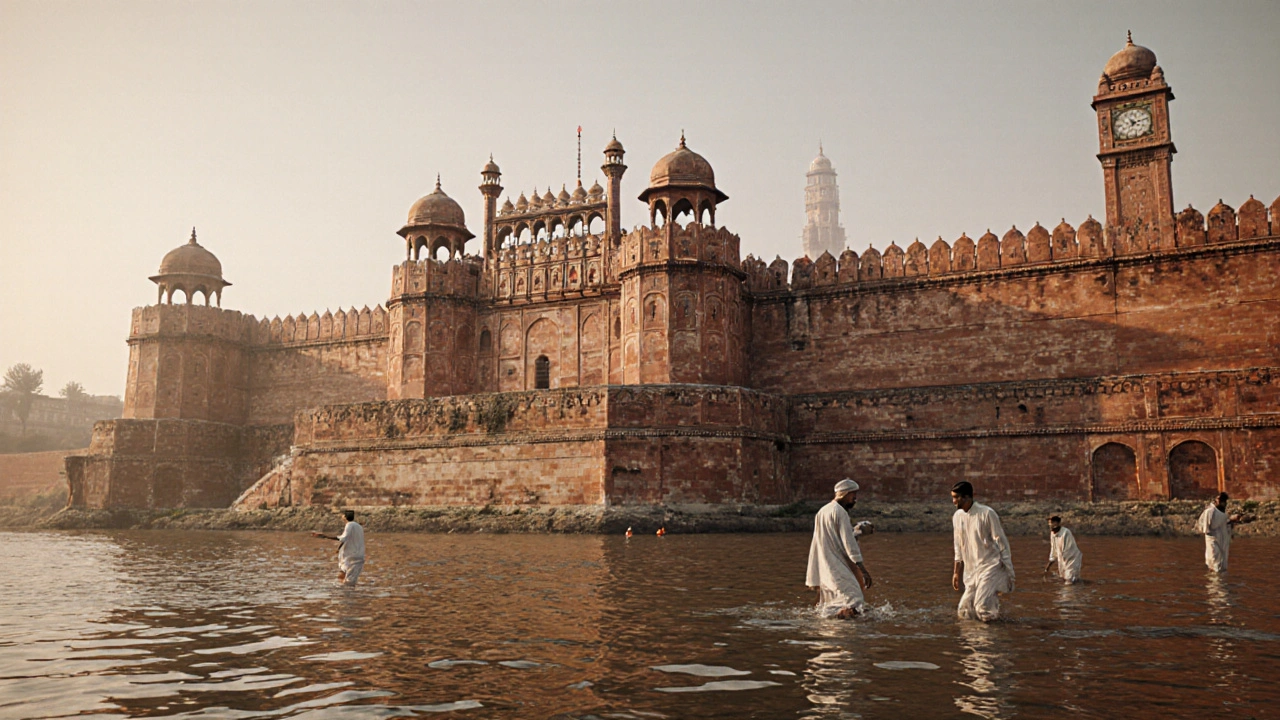
Prayagraj was once known as Allahabad for over 400 years, named by Mughal Emperor Akbar in 1583. The city's original Vedic name, Prayag, dates back thousands of years. The 2018 renaming sparked cultural debates but didn't erase its layered history.
Continue Reading