What Was the Old Name of Prayagraj City?
Before it became Prayagraj, the city was known as Allahabad for more than 400 years. That name wasn’t just a label-it carried centuries of Mughal rule, British colonial influence, and deep religious roots. If you’ve heard someone say ‘Allahabad’ and wondered if it’s the same place as today’s Prayagraj, you’re not alone. The change happened in 2018, but the old name still pops up in conversations, old maps, and family stories.
Why Was It Called Allahabad?
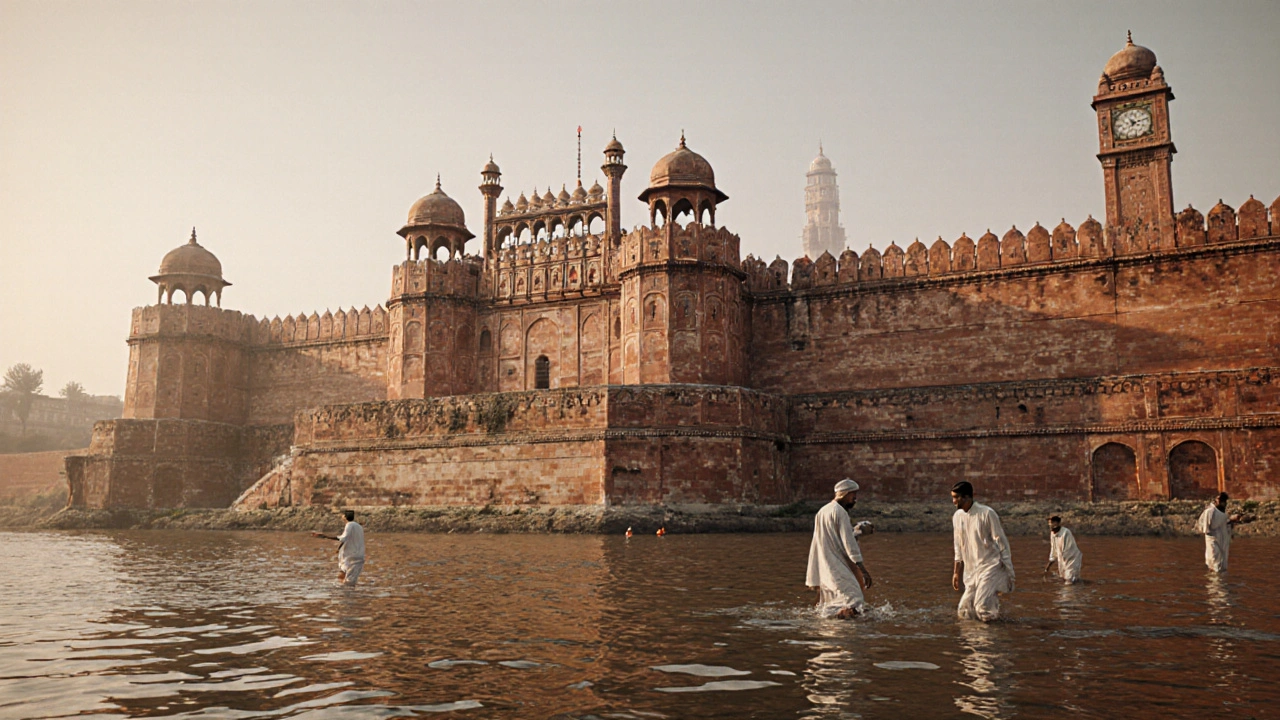
The name Allahabad comes from the Mughal Emperor Akbar. In 1583, he built a massive fort at the confluence of the Ganges, Yamuna, and the mythical Saraswati rivers. He named it Ilahabas, which later evolved into Allahabad. The word combines Ilah (an Arabic term for God) and abad (meaning inhabited place), so it roughly meant ‘Abode of God.’
This wasn’t just a random name. Akbar chose this spot because it was already a sacred pilgrimage site for Hindus, known as Prayag-the Sanskrit word for ‘place of sacrifice.’ By giving it a Persian-Islamic name, he was trying to unify religious communities under his rule. For centuries, the city thrived as a center of administration, learning, and spiritual gathering.
The Hindu Roots: Prayag Before Allahabad
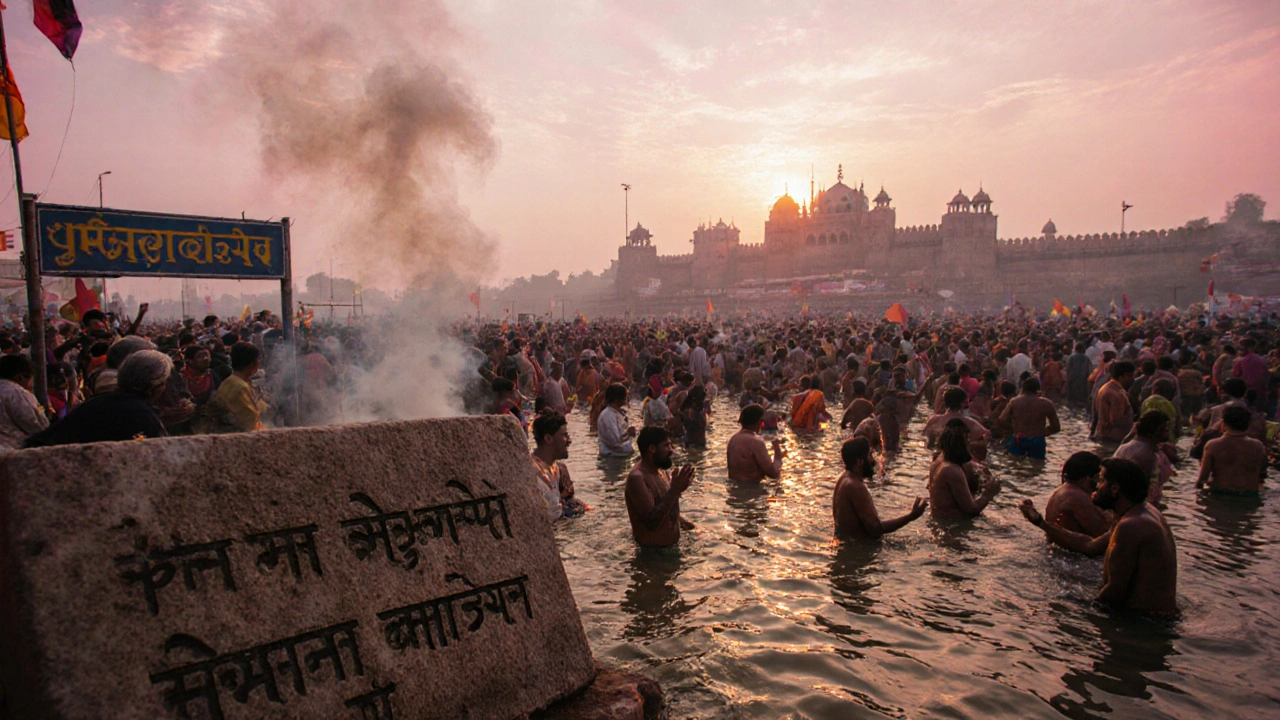
Long before Akbar’s fort, the city was called Prayag. Ancient Hindu texts like the Vedas and the Puranas mention Prayag as one of the holiest places in India. It’s where the Ganges and Yamuna rivers meet-a spot believed to be the exact location where the gods once performed rituals. Pilgrims have traveled here for over 2,500 years to bathe during the Kumbh Mela, the world’s largest religious gathering.
The name Prayag never disappeared from Hindu tradition. Even during British rule, locals often referred to the city by its original name in daily speech, religious ceremonies, and poetry. The British, however, officially used Allahabad on maps, legal documents, and train station signs. That created a dual identity: one for official use, another for cultural memory.
The 2018 Name Change: What Happened?
In October 2018, the Uttar Pradesh state government, led by Chief Minister Yogi Adityanath, officially renamed Allahabad to Prayagraj. The decision came after years of advocacy from religious groups, historians, and local activists who argued that the name Allahabad erased the city’s indigenous identity.
The move was part of a broader trend in India to restore ancient names-cities like Varanasi (formerly Benares), Jamshedpur (formerly Tatanagar), and Aurangabad (now Sambhaji Nagar) have all undergone similar changes. The government said the change was about reclaiming cultural heritage, not erasing history. Official documents, road signs, and government websites were updated. Even the airport code changed from LKO to IXD.
But not everyone agreed. Some residents, especially older generations, still call it Allahabad out of habit. Businesses kept the old name on their letterheads. Train tickets printed before 2018 still said Allahabad. The change wasn’t just administrative-it was emotional.
How People Still Use the Old Name Today
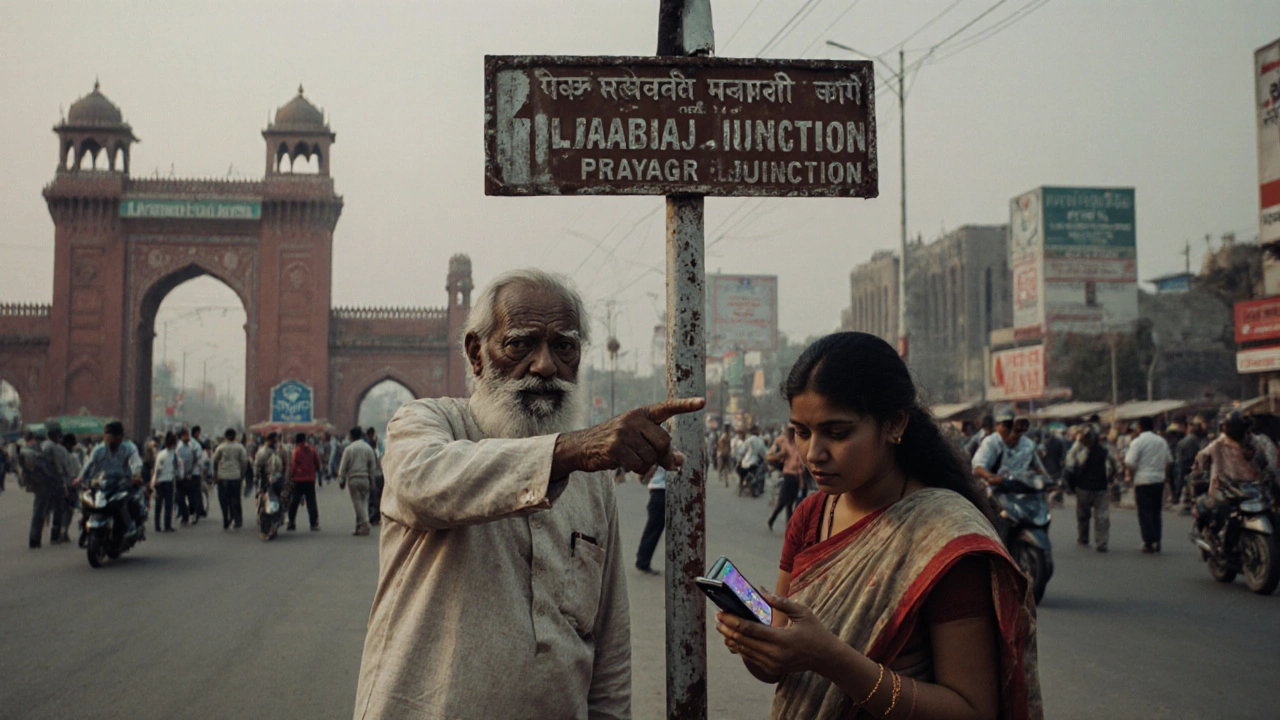
If you visit Prayagraj today, you’ll hear both names. Locals over 50 often say ‘Allahabad’ without thinking. Younger people, especially those in government jobs or education, use ‘Prayagraj’ to stay current. Tourists might get confused-Google Maps shows both names, and some taxi drivers still say ‘Allahabad Railway Station’ even though the sign outside now reads ‘Prayagraj Junction.’
Historical books, university degrees, and legal records from before 2018 still say Allahabad. If you’re looking up old family records or property documents, you’ll need to search under both names. Even the famous Allahabad University, founded in 1887, hasn’t changed its name. It’s still officially called ‘University of Allahabad,’ though it’s now located in Prayagraj.
What’s Changed Since the Rename?
On the surface, not much has changed. The same rivers flow. The same fort stands. The same Kumbh Mela draws millions every 12 years. But symbolically, the shift was powerful. For many Hindus, calling it Prayagraj restored a sense of continuity with ancient traditions. For others, especially Muslims and secular communities, the change felt like a loss of shared history.
The government invested in rebranding: new signage, updated websites, and campaigns promoting ‘Prayagraj’ as a heritage destination. The city’s tourism board now highlights its Vedic roots, ancient temples, and the Triveni Sangam. But the Mughal-era architecture-the fort, the mosques, the colonial buildings-still tell the story of Allahabad.
Why This Matters Beyond a Name
Names carry weight. They reflect power, identity, and memory. Prayagraj isn’t just a renamed city-it’s a mirror of India’s ongoing conversation about history, religion, and nationalism. The fact that two names still coexist shows how layered the city’s past really is.
If you’re researching family history, planning a pilgrimage, or just curious about Indian cities, knowing both names is essential. You can’t find old records if you only search for Prayagraj. You won’t understand local culture if you ignore Allahabad.
The truth? The city has always been both. Prayag, the sacred site. Allahabad, the imperial capital. And now, Prayagraj, the modern symbol of cultural revival. The name may have changed, but the story hasn’t ended-it’s still being written.
Was Allahabad always called Prayagraj?
No. The city was officially named Allahabad from 1583 until 2018. Before that, it was known as Prayag in ancient Hindu texts. The name Prayagraj was adopted in 2018 to reflect its historical and religious roots, but the name Allahabad was used for over four centuries.
Why did the government change Allahabad to Prayagraj?
The government said the change was to restore the city’s original Vedic name, Prayag, which has deep religious significance in Hinduism. They argued that ‘Allahabad,’ a name given during Mughal rule, overshadowed the city’s ancient identity. The renaming was part of a wider movement across India to replace colonial or foreign-sounding names with indigenous ones.
Do people still call it Allahabad today?
Yes, many do-especially older residents, historians, and people familiar with the city’s colonial past. Train stations, universities, and legal documents from before 2018 still use ‘Allahabad.’ Even today, you’ll hear both names used interchangeably in daily conversation, depending on age, background, and context.
Is the Kumbh Mela still held in Prayagraj?
Yes, absolutely. The Kumbh Mela has been held at the Triveni Sangam-the confluence of the Ganges, Yamuna, and Saraswati rivers-for thousands of years. Even after the name change, it’s still called the Prayagraj Kumbh Mela. Millions of pilgrims continue to visit the same sacred site, regardless of the city’s official name.
What happened to the Allahabad University?
The University of Allahabad, founded in 1887, has not changed its official name. It remains one of India’s oldest universities and still uses ‘Allahabad’ in its title, even though it’s physically located in Prayagraj. Its degrees, website, and official correspondence still carry the old name, showing that institutional names don’t always change with city names.




9 Comments
Rubina Jadhav
October 29 2025I still say Allahabad out of habit. My grandpa used to take me to the ghats there and never called it anything else.
Shivani Vaidya
October 30 2025The renaming reflects a deeper cultural reclamation, not erasure. Prayag has been the spiritual heart of this land for millennia, long before empires arrived. The Mughal name was administrative, not ancestral. Reverting to Prayagraj honors the continuity of indigenous memory - not just for Hindus, but for all who respect layered histories. The rivers haven’t moved. The rituals haven’t stopped. Only the label changed to match the soul.
sumraa hussain
October 30 2025Bro the Kumbh Mela is still the same spot, same mud, same chaos, same holy water - but now the signs say Prayagraj?? 😅 I mean, I grew up with Allahabad on my school bus route, and now my cousin’s college ID says Prayagraj University?? 😵💫 I’m not mad, just confused. Like my phone updated its OS and now my favorite app won’t open. Same thing, different name. Life moves fast.
Tarun nahata
November 1 2025Love how the city’s energy hasn’t changed one bit! The same rivers, same pilgrims, same chaiwalas yelling over the noise - now with fresher signs. Prayagraj isn’t replacing Allahabad, it’s layering on top of it like a beautiful old quilt stitched with new threads. This isn’t erasure - it’s evolution with respect. And honestly? The name Prayagraj just sounds more alive, like it’s breathing with the Sangam.
Aryan Jain
November 2 2025They changed the name because they’re trying to hide the Mughal legacy. This is step one. Next they’ll burn the fort, ban Urdu, erase all mosques from history books. They call it ‘cultural revival’ but it’s just Hindu nationalism with a new logo. You think they’ll let Muslims call their kids ‘Allah’ soon? Nope. This is the slippery slope. Wake up.
Nalini Venugopal
November 4 2025Just a quick note - ‘Prayagraj’ is spelled with a ‘j’ not a ‘g’ - I’ve seen so many people write ‘Prayagraj’ with a ‘g’ and it’s driving me nuts. Also, ‘Triveni Sangam’ is correct, not ‘Triveni Sangamam.’ Small things matter, especially when you’re trying to honor tradition. And yes, Allahabad University should change its name. Institutions should reflect their location, not nostalgia.
Pramod Usdadiya
November 5 2025when i was a kid we used to say allahabad and now i say prayagraj but my mom still calls it allahabad and gets mad when i correct her 😅 i think both names are fine. the city is still the same. the rivers, the ghats, the food - nothing changed. just the signboards. also i think the university should keep its name. its like changing your grandpa’s name after he dies. weird.
Aditya Singh Bisht
November 7 2025Prayagraj isn’t just a name - it’s a revival. It’s the sound of ancient chants returning to the banks of the Ganga. It’s the pride of a civilization that never forgot its roots, even when empires tried to rename them. This isn’t politics. This is poetry in motion. And if you’re still stuck on ‘Allahabad’? That’s okay. You’re not wrong - you’re just part of the story too. The city holds both names, like the rivers hold the sky.
Agni Saucedo Medel
November 7 2025both names = 🤍❤️🫶🏽 the city is a living museum. the fort still stands, the kumbh still happens, the chai still tastes the same. why choose? why not celebrate both? 🙏🏽✨