
How to Verify RERA Registration in India: Stop Real Estate Fraud
Quick Summary: The RERA Verification Checklist
- Get the specific RERA Registration Number from the developer.
- Visit the official state-specific RERA portal (e.g., MahaRERA for Maharashtra).
- Cross-check the project name, promoter details, and completion date.
- Review the quarterly progress reports to see if the work is actually happening.
- Verify that the layout plans approved by the authority match what you were shown.
Identifying the Right State Portal
RERA isn't one single national website. Because land is a state subject in India, each state has its own authority. If you are buying a flat in Mumbai, you go to MahaRERA; if it's in Bengaluru, you look at the Karnataka RERA portal. Trying to search for a "national RERA database" is a common mistake that leads people to fake third-party sites.
The first step is to identify the state where the property is located. Once you have the correct URL, look for a section typically labeled "Project Registration" or "Search Project." You'll usually find two ways to search: by the registration number or by the project name. I always recommend using the registration number because project names can be slightly altered to hide a developer's poor track record.
Step-by-Step Process to Verify a Project
Once you're on the official state portal, follow these steps to ensure you aren't being misled:
- Enter the Registration Number: Type the alphanumeric code provided by the builder. If they can't provide one, walk away immediately.
- Check the Project Validity: Every registration has an expiry date. If the project was supposed to be finished by 2024 but the registration expired in 2023 and wasn't renewed, the developer is in breach of the law.
- Verify the Promoter's Name: Ensure the company name on the RERA portal matches the name on the allotment letter and the sales agreement. Fraudsters often use shell companies to hide their identity.
- Review the Quarterly Updates: This is the most underrated part of Verify RERA Registration. Developers must upload progress reports every three months. If the report says 20% completion but the site looks like an empty field, you've caught a lie.
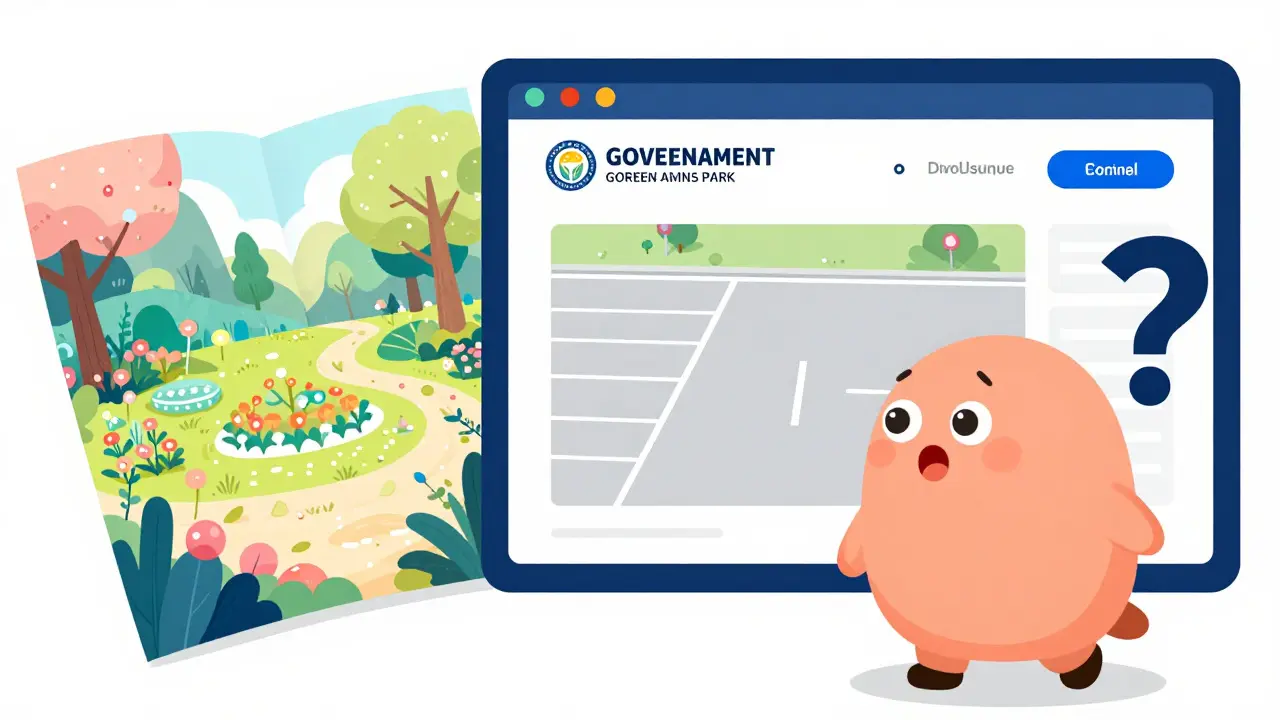
- Inspect the Approved Layout: Download the approved floor plans. Compare these with the brochure. If the developer promised a garden on the 4th floor but the RERA map shows a parking lot, the RERA map is the only one that matters legally.
| Feature | RERA Registered Project | Non-Registered Project |
|---|---|---|
| Legal Protection | High (via RERA Tribunal) | Low (Civil Court only) |
| Financial Transparency | Escrow account (70% funds) | Developer's discretion |
| Completion Timeline | Legally binding date | Vague "est. delivery" |
| Accountability | Quarterly public updates | No official updates |
The Danger of the 'Escrow' Lie
One of the biggest wins of the Real Estate (Regulation and Development) Act, 2016 is the mandate for a separate bank account. By law, developers must deposit 70% of the money collected from buyers into a project-specific Escrow Account. This ensures the money is used only for construction and not diverted to buy other land parcels or pay off old debts.
Ask the developer for proof of this account. A dishonest builder might tell you they've "internally managed" the funds. That's a huge red flag. If they aren't using a dedicated account, they are effectively gambling with your money. This is exactly how projects get stalled for decades, leaving thousands of families in legal limbo.
Spotting Common RERA Red Flags
Fraud isn't always a blatant lie; sometimes it's a carefully crafted omission. Look out for these specific tricks:
- The "Coming Soon" Tactic: Developers often launch "pre-launches" to collect money before RERA approval. This is illegal. If you pay before registration, you have almost zero leverage if the project is rejected by the authority.
- Partial Registration: Some builders register only a portion of a massive township. If you're buying in "Phase 3" but only "Phase 1" is registered, your specific plot might not have legal protection.
- Misleading Carpet Area: RERA forced the industry to use "carpet area" (the actual usable area) instead of "super built-up area." If the builder's brochure still uses super built-up area to justify a high price, check the RERA portal for the actual carpet area. You'll often find the flat is 20-30% smaller than advertised.

What to Do If You Find a Discrepancy
Finding a mismatch between the brochure and the RERA portal is actually a victory-it means you caught the fraud before losing your money. But what happens next? First, document everything. Take screenshots of the RERA portal and save the developer's promotional emails.
You can file a formal complaint with the RERA Appellate Tribunal. Unlike traditional Indian courts, which can take decades to resolve property disputes, RERA is designed for speed. They have the power to order refunds with interest or force the builder to complete the project within a strict deadline.
If you've already signed an agreement for a project that isn't registered, you can still approach the authority. The penalties for non-registration are severe, often reaching up to 10% of the project cost. Using this threat as leverage can sometimes force a developer to either register the project immediately or return your deposit with interest.
Can a builder change the project plan after RERA registration?
Yes, but not without your consent. According to RERA rules, any major change in the sanctioned plan or layout requires the written consent of two-thirds of the allottees. If a builder suddenly decides to add an extra floor or remove a promised park, they must get approval from the buyers and the RERA authority.
Is RERA registration enough to guarantee the property is safe?
No. RERA verifies that the project is legal and the builder has the right to build. However, it doesn't guarantee the quality of construction or that the builder won't go bankrupt. You still need to perform a separate "Title Search" through a lawyer to ensure the land title is clear and free of mortgages.
What is the difference between a RERA number and a building plan approval?
A building plan approval comes from the local municipal corporation (like the BMC in Mumbai) and confirms the structure is safe and follows zoning laws. A RERA number is a regulatory registration that ensures transparency, protects the buyer's money, and holds the builder accountable for delivery dates.
What should I do if the project is listed as 'Expired' on the RERA portal?
An expired registration is a major warning sign. It means the builder failed to complete the project by the promised date or didn't apply for an extension. You should demand an updated registration certificate and a revised completion date. If they can't provide it, stop all further payments immediately.
Do small projects also need RERA registration?
Generally, yes. In most states, any project where the land is over 500 square meters or contains more than 8 apartments requires registration. Some states have slightly different thresholds, but the rule of thumb is: if you're buying from a developer (not an individual), it should be registered.
Next Steps for Buyers
If you are currently browsing properties, don't let a salesperson rush you with "limited time offers." The most important document in your file isn't the brochure-it's the RERA registration certificate. Your next move should be to create a folder for every project you're considering. In that folder, save the RERA certificate, the most recent quarterly progress report, and the approved layout plan.
For those who have already invested, spend an hour this weekend on the state RERA portal. Check if your project's status is still "Active" and if the builder has been uploading reports. If you find that the reports have stopped, it's time to form a buyers' association and send a formal inquiry to the developer. Early detection of a stalling project is the only way to recover your funds before the builder disappears.