Property Inspection Checklist in India: What to Check Before Buying
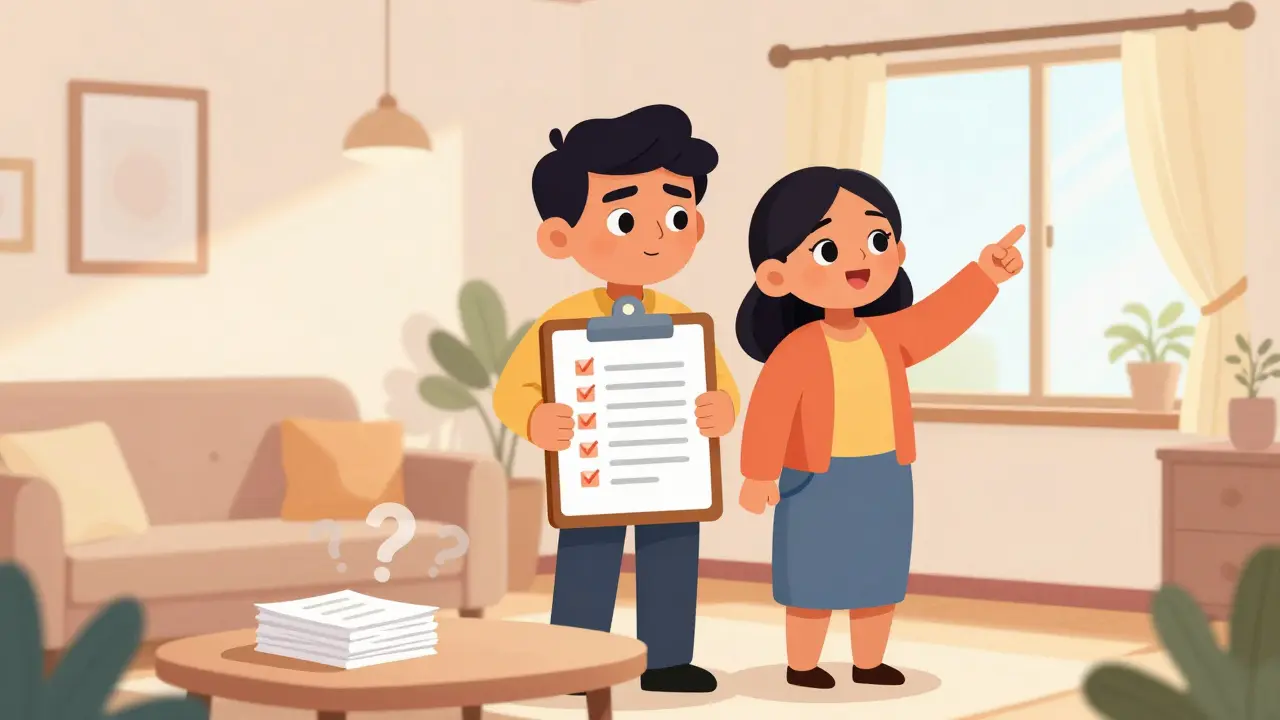
You have found the perfect flat. The sunlight hits the living room just right, the kitchen layout makes sense, and the price fits your budget. Your heart is racing with excitement. But before you hand over that first cheque or sign the agreement, stop. Take a deep breath. In India, buying property isn't just about liking the view; it is about verifying reality against paperwork. One missing document or one structural crack can turn your dream home into a legal nightmare.
Buying real estate in India involves navigating a complex web of local laws, builder reputations, and physical infrastructure. A thorough **property inspection checklist** is your safety net. It protects your investment from fraud, ensures the building is safe, and guarantees that you won't be stuck paying for repairs that should have been done by the developer. This guide walks you through exactly what to look at, who to call, and how to verify every detail before you commit.
The Legal Foundation: Documents That Matter
Before you even step inside the apartment, you need to check the papers. In India, title defects are the most common reason for property disputes. You cannot inspect a foundation if the land itself doesn't legally belong to the seller.
Here is what you must ask for:
- Encumbrance Certificate (EC): This proves the property is free from monetary and legal liabilities. Ask for the EC for the last 30 years. If there are entries like 'sale deed' or 'mortgage,' they must show clear closure.
- Approved Building Plan: Ensure the plan approved by the local municipal authority matches the actual construction. If the builder added an extra floor without permission, your entire building could be illegal.
- RERA Registration: Under the Real Estate (Regulation and Development) Act, 2016, all commercial projects and residential projects with more than eight apartments must be registered on the state's RERA portal. Check the project status online. Is the completion date delayed? Are there penalties listed?
- No Objection Certificates (NOCs): These come from various bodies like the pollution control board, fire department, and aviation authorities (if near an airport). Without these, the occupancy certificate will never be issued.
If the seller hesitates to provide these, walk away. Legitimate sellers understand that transparency builds trust.
Physical Structure: Looking Beyond the Paint
Once the legal basics are cleared, it’s time for the physical inspection. Do not rely on the glossy brochures or the model unit, which is often decorated by professional interior designers to hide flaws. Visit the actual unit you intend to buy, preferably at different times of the day.
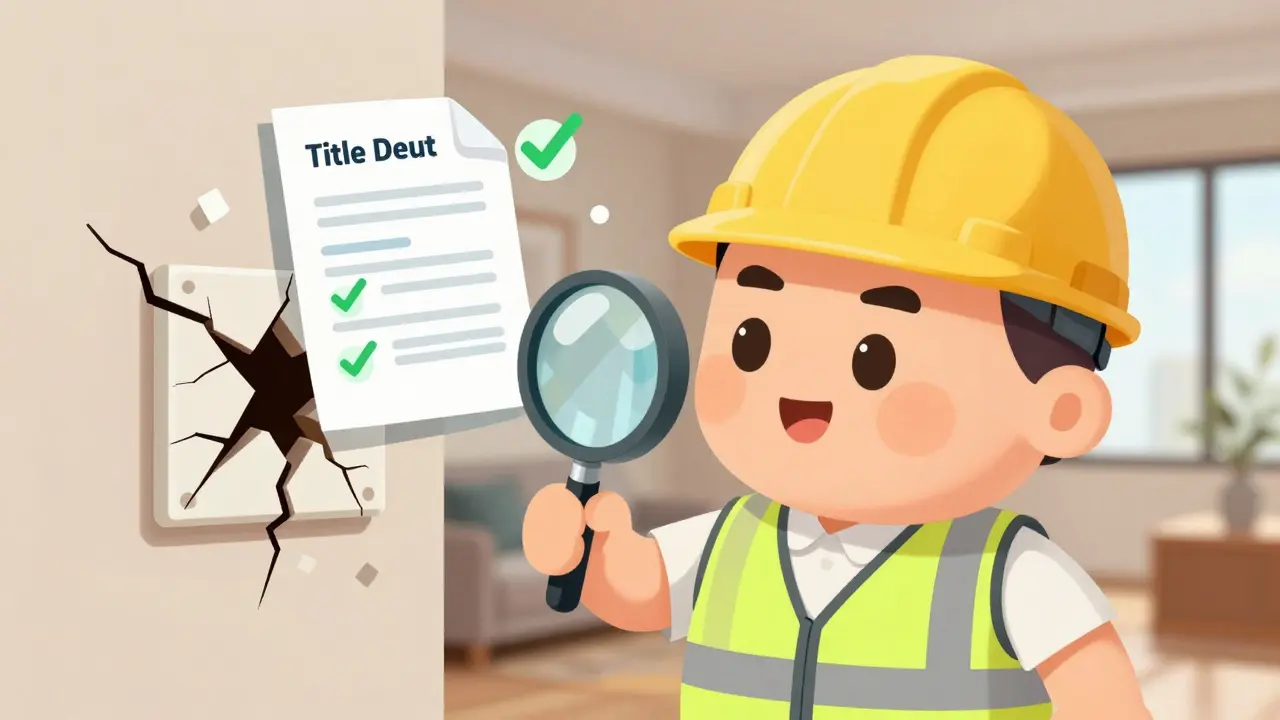
Start with the walls and ceiling. Look for hairline cracks. Small cracks due to settling are normal, but diagonal cracks near windows or doors can indicate structural stress. Tap on the tiles. A hollow sound means the adhesive has failed, and those tiles will pop off eventually.
Check the flooring levels. Walk across the room. Does it feel uneven? Use a spirit level if you have one. Uneven floors suggest poor leveling during construction, which can cause water pooling and damage furniture later.
Inspect the plumbing fixtures. Turn on every tap. Check the water pressure. Flush the toilets multiple times to ensure proper drainage. Look under the sinks for leaks or damp patches on the walls. Water damage is expensive and hard to fix once you move in.
Don't forget the electrical points. Plug in a device to test every socket. Check if the switches work smoothly. Ask to see the main distribution board. Are the wires labeled? Is there a separate earthing line? Poor electrical wiring is a major fire hazard.
Amenities and Common Areas
You are not just buying an apartment; you are buying into a community. The quality of common areas reflects the builder's commitment to maintenance and future value appreciation.
| Area | What to Check | Red Flags |
|---|---|---|
| Parking | Space dimensions, signage, lighting | Narrow lanes, no designated spot, poor ventilation |
| Lifts | Brand, speed, emergency buttons | Frequent stops, noisy operation, old brand |
| Gym/Swimming Pool | Cleanliness, equipment condition | Rusty equipment, chlorinated smell too strong, closed pool |
| Security | CCTV coverage, guard post, access control | Blind spots in cameras, unattended gate, loose gates |
Talk to existing residents if possible. They will tell you if the society management is responsive, if maintenance charges are rising frequently, and if there are ongoing issues with water supply or power cuts. Their experience is more valuable than any brochure.
Location and Neighborhood Factors
A property exists within a context. The neighborhood dictates your daily life and resale value. Visit the area at night. Is it well-lit? Do you feel safe walking around? Check the noise levels. Is there a highway, railway track, or industrial zone nearby that causes constant vibration or sound?
Assess connectivity. How far is the nearest metro station, bus stop, or highway entry? Use navigation apps to check travel time to your workplace during peak hours. Also, look for essential services: hospitals, schools, supermarkets, and parks. Proximity to these amenities increases convenience and property value.
Future development plans matter too. Check with the local municipal office for any planned roads, flyovers, or commercial complexes nearby. While some developments boost value, others might block your view or increase traffic congestion.

Financial Due Diligence
Beyond the purchase price, consider the hidden costs. Maintenance charges can vary widely between societies. Ask for the breakdown of what these charges cover: security, cleaning, lift maintenance, electricity for common areas, etc. High maintenance fees can eat into your monthly budget significantly.
If you are taking a home loan, get pre-approved before finalizing the deal. Banks conduct their own valuation of the property. If the bank values the property lower than the agreed price, you may have to pay the difference in cash. This is known as the LTV (Loan-to-Value) ratio issue.
Also, calculate stamp duty and registration charges. These vary by state and gender (some states offer concessions for women buyers). Factor these into your total budget. Typically, they range from 5% to 8% of the property value.
Final Steps Before Signing
Never sign anything under pressure. Builders often use urgency tactics like "last flat available" or "price hike tomorrow." Take your time. Hire a independent civil engineer to do a structural audit if you are unsure. Costing a few thousand rupees now can save lakhs later.
Ensure all verbal promises are written into the sale agreement. If the builder promised a garden view, specify it. If they promised specific fittings, list them. Verbal assurances hold no legal weight.
Finally, verify the payment schedule. Pay only against milestones certified by an independent engineer. Never pay large amounts upfront without receiving corresponding receipts and documentation.
How long does the property verification process take in India?
A thorough legal and physical verification typically takes 2 to 4 weeks. Legal checks involving title deeds and encumbrance certificates require visiting sub-registrar offices and banks. Physical inspections can be done in a few days, but hiring an engineer for a detailed report adds time. Rushing this process is risky.
Is it mandatory to check RERA registration for all properties?
Yes, for new projects with more than eight apartments or commercial spaces exceeding 500 square meters, RERA registration is mandatory under Indian law. For older properties or individual house plots, RERA may not apply, but other local municipal approvals are still required.
What should I do if the Encumbrance Certificate shows a mortgage?
If the EC shows an active mortgage, the property cannot be sold freely until the loan is cleared. Ask the seller to provide a 'No Dues Certificate' from the bank confirming the loan is paid off and the mortgage is removed from the records. Do not proceed until this is verified.
Can I buy a property without an Occupancy Certificate?
Technically, no. An Occupancy Certificate (OC) confirms the building is safe for habitation and complies with approved plans. Without an OC, you may face difficulties getting utility connections (water, electricity) and home loans. Some builders delay OC issuance to avoid taxes; ensure the OC is obtained before possession.
Who pays for the property inspection and legal fees?
The buyer typically bears the cost of independent inspections and legal consultations. These are considered part of the buyer's due diligence. However, negotiation is possible, especially in a buyer's market. Budget approximately 1-2% of the property value for these professional services.