Stock Splits Explained: How They Impact Your Indian Demat Account
The Quick Breakdown: What Happens During a Split
When a company decides to split its stock, it increases the total number of shares outstanding without changing the company's overall market capitalization. Think of it like a pizza. If you have one giant slice of pizza, and you cut it into four smaller pieces, you still have the same amount of pizza-it's just in more pieces. In the stock market, this is done to lower the per-share price, which attracts more buyers who might have been intimidated by a high entry cost. For example, if a stock is trading at ₹10,000, a small investor might struggle to buy even one share. But if the company performs a 1:10 split, that price drops to ₹1,000, making it accessible to thousands of more people.
| Metric | Before Split | After Split |
|---|---|---|
| Number of Shares | 100 | 500 |
| Share Price | ₹2,000 | ₹400 |
| Total Investment Value | ₹2,00,000 | ₹2,00,000 |
How It Works Inside Your Demat Account
If you hold shares in a Demat Account is an electronic account used to hold shares and securities in a digital format, replacing physical certificates , you don't need to lift a finger. The process is automated. Your depository-either NSDL or CDSL-handles the credit of new shares. When a split occurs, the company notifies the exchange, and the system automatically adjusts your holdings. You will usually see a corporate action notification in your email or trading app. The most important thing to remember is that stock splits do not create wealth out of thin air; they only rearrange the units of ownership.
The Psychology of Price and Liquidity
Why would a company go through the trouble of splitting shares if the value stays the same? It's all about psychology and liquidity. High-priced stocks can create a "barrier to entry." When a stock hits a price like ₹50,000, retail investors often feel it's "too expensive," even if the company's fundamentals are strong. By splitting the stock, the company increases Liquidity is the ease with which an asset can be converted into cash without affecting its market price . More shares at a lower price mean more frequent trades and a larger pool of buyers and sellers. This often leads to a tighter bid-ask spread, which is a fancy way of saying it's easier to buy and sell the stock at a fair price.

Spotting the Difference Between a Split and a Bonus Issue
Many investors confuse stock splits with bonus issues. While both result in more shares in your account, the accounting is different. A stock split reduces the Face Value is the nominal value of a share as stated in the company's charter, used to calculate dividends of the share. For instance, a share with a face value of ₹10 split 1:2 becomes two shares with a face value of ₹5 each. A bonus issue, however, keeps the face value the same but gives you extra shares using the company's accumulated reserves. Essentially, a split is a mathematical division, while a bonus issue is a reward from the company's profits.
The Potential Upside and Downside
Does a split actually help the stock price go up? Historically, the announcement of a split is seen as a positive signal. It suggests that the management is confident the price will continue to rise and wants to keep the stock accessible. However, the split itself doesn't improve the company's earnings, products, or management. If you buy a stock just because it "looks cheap" after a split, you're ignoring the actual valuation. A ₹400 stock after a split can be more expensive than a ₹1,000 stock if the company's earnings per share have plummeted.
Common Pitfalls for New Investors
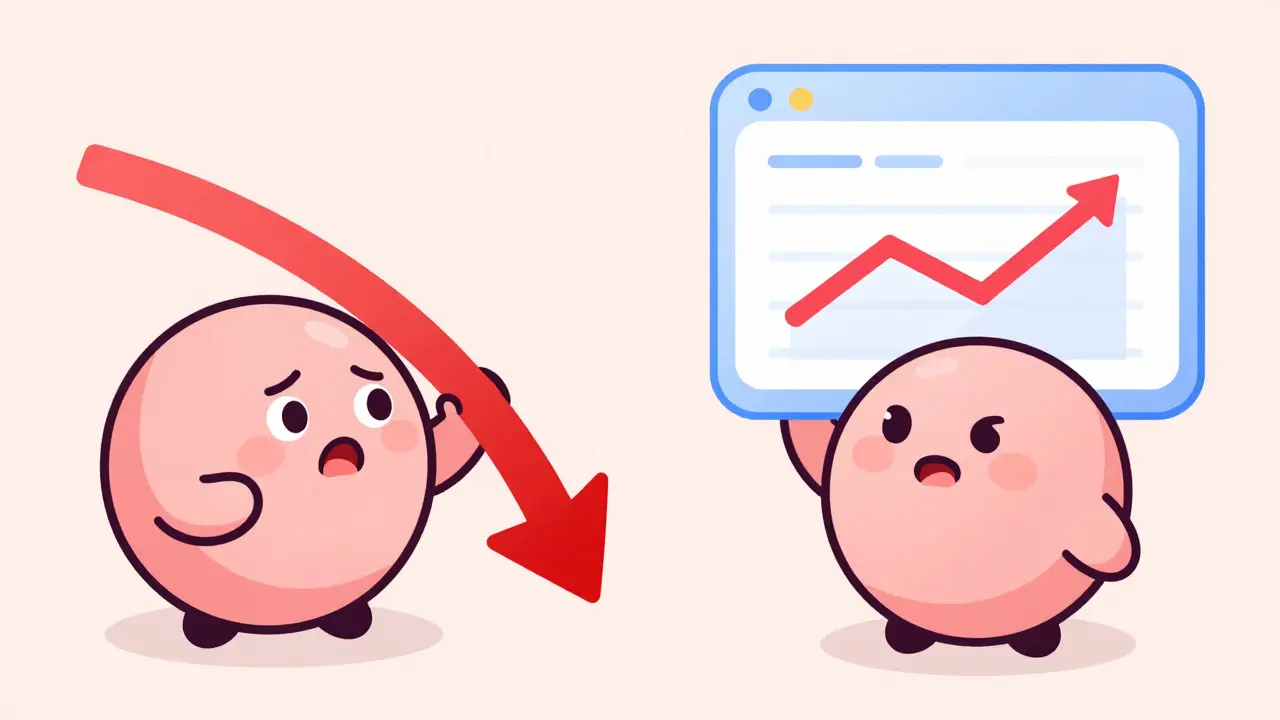
The biggest mistake beginners make is panicking when they see the share price drop on the day of the split. You might open your app and see your favorite stock has "crashed" by 50% or 90%. Before you sell in a panic, check your holdings. You'll likely find that your share count has increased proportionally. Another pitfall is ignoring the "Ex-Date." The Ex-Date is the date on which a security begins trading without the attached dividend or split benefit is when the price adjustment happens. If you buy shares on or after the ex-date, you won't be eligible for the split benefits of that specific corporate action.
Checklist for Managing Corporate Actions
- Check the Ratio: Is it a 1:2, 1:5, or 1:10 split? This tells you exactly how many shares you'll end up with.
- Verify the Ex-Date: Ensure you hold the shares before this date to receive the split.
- Monitor Your Portfolio: Give your broker 2-3 business days to update the share count in your Demat account.
- Analyze Fundamentals: Ask yourself if the company is still growing, or if the split is just a cosmetic change to attract retail hype.
Does a stock split increase the value of my investment?
No, a stock split does not directly increase the value of your investment. It simply divides your existing ownership into more shares. If you had ₹1,00,000 invested before the split, you will still have ₹1,00,000 immediately after the split, just spread across more units.
Do I need to pay any taxes on stock splits in India?
No, a stock split is not a taxable event in India because no actual profit is realized. You are not selling shares for a gain; you are simply receiving more shares of the same relative value. Taxes only apply when you eventually sell those shares.
What happens to my dividends after a stock split?
Dividends are usually adjusted proportionally. If a company paid ₹10 per share before a 1:2 split, they might pay ₹5 per share after the split. Since you now own double the shares, your total dividend income remains the same.
Why do some shares not reflect the split in my app immediately?
There is often a slight lag between the exchange's price adjustment and the depository's (NSDL/CDSL) update of your share count. This can lead to a temporary "paper loss" in your portfolio view for a few days until the new shares are credited.
Can a company do a reverse stock split?
Yes, a reverse split happens when a company reduces the number of shares to increase the price per share. This is usually done by companies whose stock price has fallen too low (penny stocks) to avoid being delisted from the exchange or to look more "professional" to institutional investors.