Reverse Mortgage Eligibility: Who Qualifies and What You Need to Know
When you’re older and own your home but need extra cash, a reverse mortgage, a financial tool that lets homeowners 60+ convert home equity into regular income without selling the house. Also known as home equity conversion mortgage, it’s designed for seniors who want to stay in their homes while accessing funds they’ve built up over decades. Unlike a traditional loan, you don’t make monthly payments. Instead, the lender pays you — either as a lump sum, monthly cash, or a line of credit — and the loan balance grows over time. The debt is repaid when you move out, sell the home, or pass away.
To qualify for a reverse mortgage in India, you must be at least 60 years old, own your home outright or have a small remaining mortgage, and live in it as your primary residence. The property must be free of legal disputes and meet basic structural standards. Lenders usually require a valuation report and proof of ownership. Your children or legal heirs don’t need to be co-applicants, but they should understand the terms — because once you’re gone, the loan becomes due. If the home sells for more than the loan balance, the surplus goes to your estate. If it sells for less, you or your heirs aren’t responsible for the difference — that’s the safety net built into the product.
Reverse mortgages are especially useful for seniors who rely on fixed incomes, have high medical bills, or want to help family members without dipping into savings. They’re not a quick fix for debt, but they can prevent forced sales or financial strain. Many seniors in cities like Prayagraj use them to cover home repairs, caregiving costs, or even fund travel after retirement. The government and banks have been slowly expanding access, but awareness is still low. Most people don’t know it’s even an option — and that’s where the real gap lies.
Not every home qualifies. Properties on agricultural land, government quarters, or those with unclear titles won’t work. The lender will also check if the house is in good condition — no major structural damage or pending legal cases. If you’re thinking about it, talk to your family first. This isn’t just a financial decision; it’s a family one. You’re not giving up your home, but you are changing how it fits into your legacy.
Below, you’ll find real stories, expert breakdowns, and clear guides on how reverse mortgages actually work in India — from who gets approved, to what documents you need, to how the money flows over time. No fluff. No sales pitches. Just what matters if you’re considering this path for yourself or someone you care about.
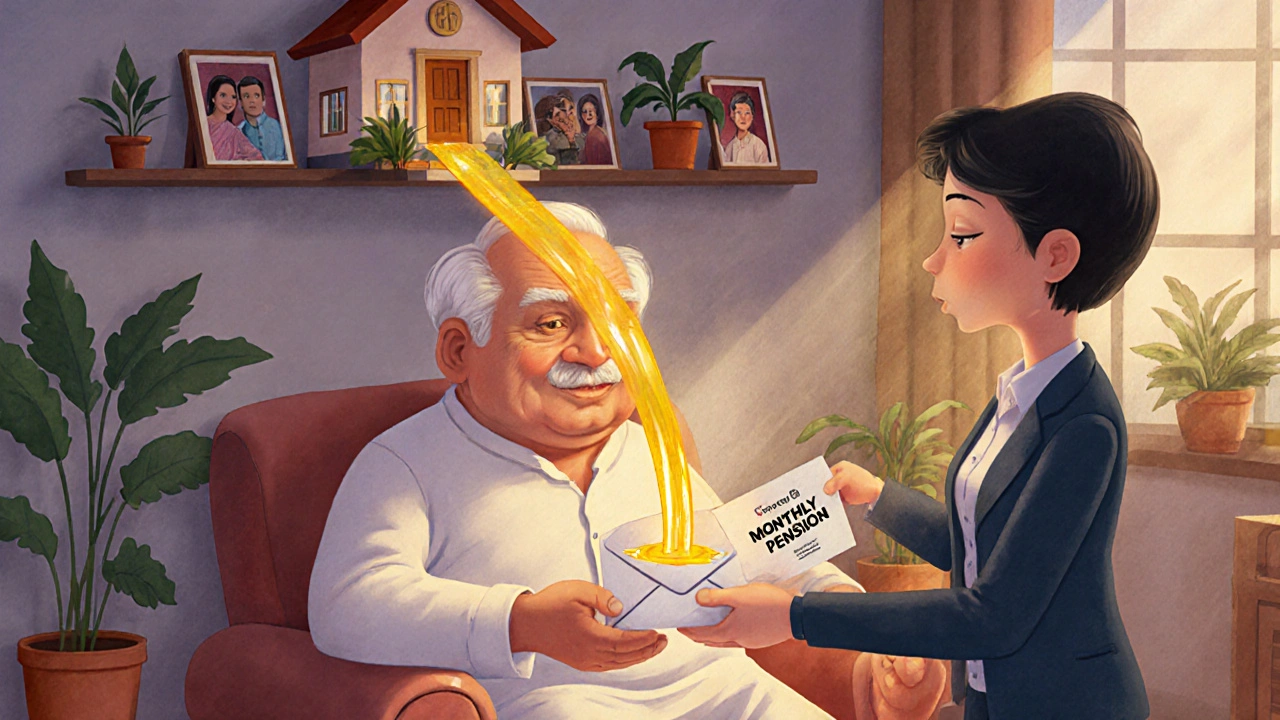
Reverse mortgages in India let seniors turn their paid-off homes into monthly income without moving out. Learn how it works, who qualifies, and whether it's right for your retirement plan.
Continue Reading