Pre-Market and Post-Market Trading in India Explained for Retail Investors
Most retail investors in India think the stock market opens at 9:15 AM and shuts at 3:30 PM. But what if you could buy or sell shares before the bell rings-or after it’s already rung? That’s where pre-market and post-market trading come in. These sessions aren’t for everyone, but for those who understand them, they offer real advantages: reacting to overnight news, catching gaps before the crowd, or adjusting positions without waiting until the next day.
What is pre-market trading in India?
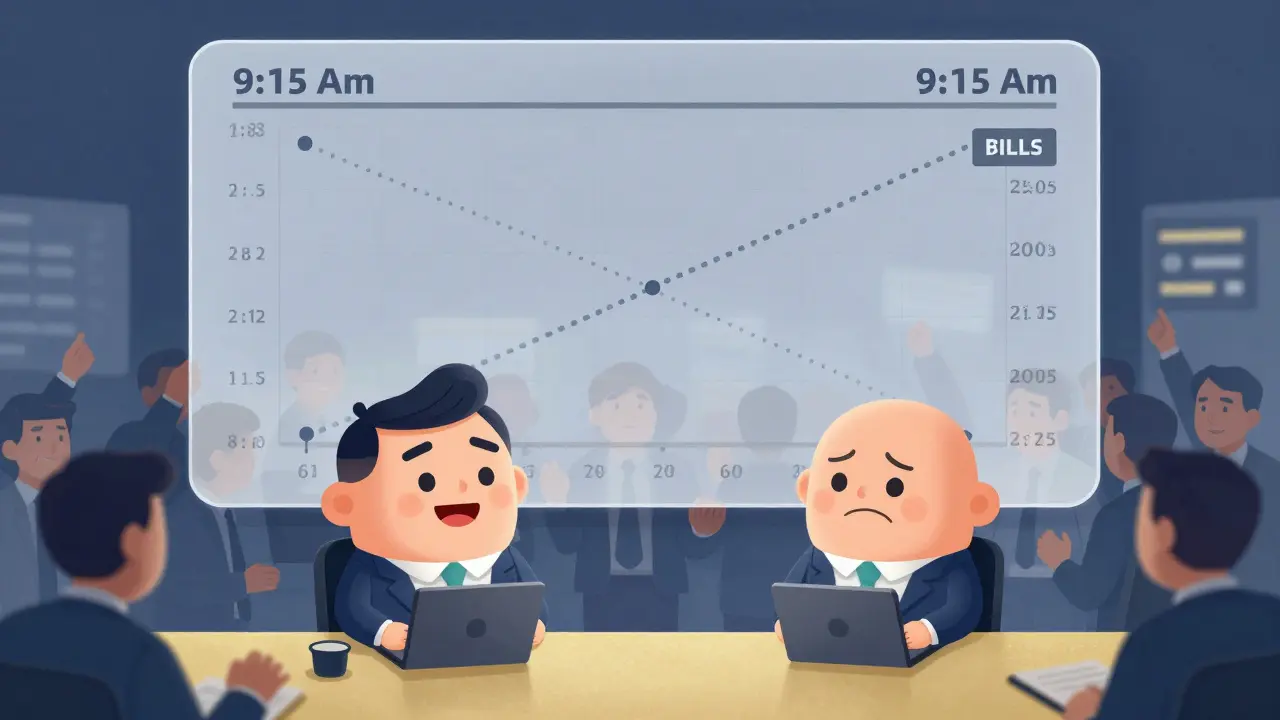
Pre-market trading in India happens between 9:00 AM and 9:15 AM on the National Stock Exchange (NSE) and Bombay Stock Exchange (BSE). It’s not a full trading session-it’s an order collection and price discovery phase. During these 15 minutes, you can place, modify, or cancel orders. But no trades execute until 9:15 AM sharp.
This isn’t like the U.S. market, where trades actually happen before the open. In India, the pre-market is all about setting the right opening price. The system matches buy and sell orders based on volume and price. The price that clears the most orders becomes the opening price for the day.
Why does this matter to you? If a company announces earnings after market close on Tuesday, the market might react overnight. By placing your order in the pre-market window, you’re signaling your intent early. If the opening price jumps 5% because of good news, you might get filled at a better price than if you waited until 9:16 AM and joined the rush.
How does pre-market trading work?
The process is simple but often misunderstood. Here’s how it breaks down:
- 9:00 AM - 9:07 AM: You can place new buy or sell orders. This is the only time you can add fresh orders.
- 9:07 AM - 9:08 AM: You can modify or cancel existing orders, but not add new ones.
- 9:08 AM - 9:15 AM: No changes allowed. The system matches all orders to determine the equilibrium price.
- 9:15 AM: Trading opens. All matched orders execute at the determined opening price.
Think of it like a silent auction before the doors open. Everyone submits bids and asks. The exchange calculates the price where the most shares change hands. That’s the opening price. It’s designed to reduce volatility and prevent wild swings right at the open.
For retail investors, this means you can’t trade live during pre-market. You can’t buy shares instantly at 9:02 AM if you see a breakout. But you can position yourself to get in at the opening price-potentially before the crowd reacts.
What is post-market trading in India?
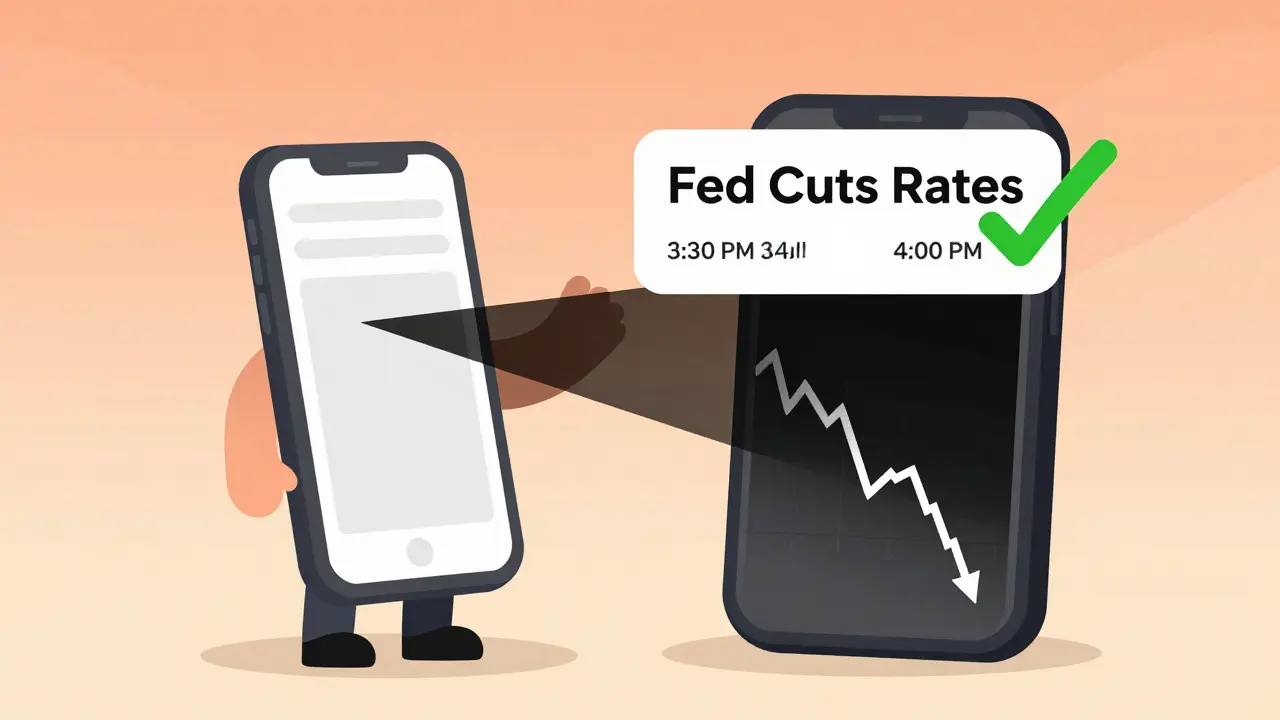
Post-market trading, also called after-hours trading, runs from 3:40 PM to 4:00 PM on both NSE and BSE. Like pre-market, it’s not a full trading session. It’s a closing auction phase. Orders are collected, but trades only execute at 4:00 PM.
This session is smaller than pre-market. Fewer retail investors use it. But for those who do, it’s useful when news breaks after 3:30 PM-like a regulatory decision, a major earnings surprise, or global market moves that impact Indian stocks overnight.
For example, if Apple drops 8% after U.S. markets close at 4 PM Eastern (2:30 AM IST), Indian tech stocks like Infosys or TCS might gap down the next day. If you sell during post-market on Wednesday, you lock in your exit before the panic hits Thursday morning.
How does post-market trading work?
The mechanics are similar to pre-market, just reversed:
- 3:40 PM - 3:45 PM: You can place new buy or sell orders.
- 3:45 PM - 3:47 PM: You can modify or cancel existing orders.
- 3:47 PM - 4:00 PM: No changes allowed. Orders are matched.
- 4:00 PM: All matched orders execute at the determined closing price.
The closing price matters more than you think. It’s used in mutual fund NAV calculations, index rebalancing, and margin calculations for the next day. If you trade in post-market, you’re influencing that final number.
But here’s the catch: liquidity is low. You might not find buyers or sellers for large orders. A 100-share trade? Easy. A 1,000-share trade? You might get only 300 filled, and the rest stays pending.
Who should use pre-market and post-market trading?
Not every retail investor needs this. But if you fit any of these profiles, it’s worth exploring:
- You trade based on overnight global news (U.S. Fed decisions, oil prices, tech earnings).
- You’re a swing trader who holds positions for days and wants to react fast to events.
- You’ve been burned by gap-ups or gap-downs and want to avoid being stuck with a bad position.
- You use stop-loss orders and want to exit before the market opens if something goes wrong.
For long-term investors buying stocks for dividends or holding for years, pre- and post-market trading adds little value. The extra effort and risk aren’t worth it.
But for active traders-especially those who check their phones at 7 AM or 5 PM-it’s a tool that can save you money.
Real example: What happened on March 12, 2025?
On March 12, 2025, the U.S. Federal Reserve signaled a rate cut sooner than expected. Global markets surged. In India, Infosys opened at ₹1,780-the highest in two months.
Here’s what happened:
- At 8:45 AM, a retail investor placed a buy order for 50 shares of Infosys at ₹1,760 in the pre-market window.
- At 9:15 AM, the opening price was ₹1,775. The investor got filled at that price.
- Had they waited until 9:16 AM, the price was already at ₹1,785 due to buying pressure.
- They saved ₹10 per share. That’s ₹500 on 50 shares.
On the same day, at 3:45 PM, another investor sold 100 shares of Tata Motors after a negative analyst note came out post-market. They sold at ₹485. The next morning, the stock opened at ₹478. They avoided a ₹7 loss per share.
What are the risks?
Pre- and post-market trading aren’t risk-free. Here’s what you need to watch out for:
- Low liquidity: Fewer buyers and sellers mean wider spreads. You might not get the price you want.
- Price gaps: The opening or closing price might be far from the last traded price. You could get filled at a price you didn’t expect.
- Slippage: Large orders get split and filled at different prices.
- Emotional trading: News hits at 2 AM. You panic. You place an order. You regret it at 9:15 AM.
Always use limit orders-not market orders-in these sessions. A market order in low liquidity can cost you dearly.
How to start
You don’t need special access. Most brokers in India-Zerodha, Upstox, Groww, ICICI Direct-allow pre- and post-market trading by default. Just log in to your trading app.
Here’s what to do:
- Check your broker’s platform for the pre-market and post-market tabs.
- Use limit orders only. Never market orders.
- Start small. Try 10-20 shares first.
- Track the difference between your order price and the actual opening/closing price.
- Don’t trade every day. Wait for high-impact news events.
Many traders forget: the pre-market and post-market sessions are tools, not strategies. They don’t guarantee profits. They just give you more control over timing.
What about derivatives and F&O?
Pre- and post-market trading only applies to equities on NSE and BSE. Futures and options (F&O) contracts don’t have these sessions. Their trading hours are fixed: 9:15 AM to 3:30 PM. No early or late trading.
If you’re trading Nifty or Bank Nifty options, you’re locked into the regular session. Pre- and post-market won’t help you there.
Final thoughts
Pre-market and post-market trading in India aren’t secrets. They’re just underused. Most retail investors don’t know how they work-or think they’re useless. But for those who do, they’re a quiet edge.
You don’t need to trade every day. You don’t need to be aggressive. You just need to be ready when the news breaks.
Think of it like this: the market opens at 9:15 AM. But the conversation started at 9:00 AM. If you’re not listening, you’re already behind.
Can I trade stocks before 9:15 AM in India?
You can place orders between 9:00 AM and 9:15 AM, but no trades execute until 9:15 AM. This is called the pre-market session, and it’s for order collection and price discovery, not live trading.
Is post-market trading available for all stocks on NSE?
Yes, post-market trading from 3:40 PM to 4:00 PM is available for all equities listed on NSE and BSE. However, liquidity varies. Large-cap stocks like Reliance or HDFC Bank have better order depth than small-caps.
Do I need a special account for pre-market trading?
No. All retail trading accounts in India with brokers like Zerodha, Upstox, or Groww support pre- and post-market trading by default. You just need to use limit orders and check your broker’s app for the correct time windows.
Can I use market orders in pre-market or post-market sessions?
Technically yes, but you shouldn’t. Market orders in low-liquidity sessions can lead to terrible fills. Always use limit orders to control the price you’re willing to buy or sell at.
What’s the difference between pre-market and regular trading hours?
During regular hours (9:15 AM-3:30 PM), trades happen continuously, and prices change every second. In pre-market (9:00-9:15 AM) and post-market (3:40-4:00 PM), no trades execute until the end of the session. All orders are matched at once to determine a single price.
Are pre-market and post-market trades included in my daily P&L?
Yes. Any trade executed during pre-market or post-market sessions counts toward your daily profit and loss. The price you get at 9:15 AM or 4:00 PM is treated the same as any trade during regular hours.
Can I short sell in pre-market or post-market sessions?
Yes, short selling is allowed in both sessions, but only if you have the shares in your demat account (cash-and-carry basis). You cannot short-sell without delivery in these sessions, unlike intraday trading during regular hours.