Real Estate Investment in India: A Complete Guide for Beginners
Buying property in India isn’t just about finding a house or apartment-it’s about building wealth over time. For beginners, the idea can feel overwhelming: confusing regulations, hidden costs, regional differences, and a market that changes faster than you can read the news. But here’s the truth: if you know where to look and what to avoid, real estate in India can be one of the most reliable ways to grow your money. This guide cuts through the noise. No fluff. Just what you need to start smart.
Why Real Estate in India Still Makes Sense
In 2025, India’s urban population hit 440 million, and it’s still growing. That means more people need homes, offices, and storage spaces. Cities like Bengaluru, Pune, and Hyderabad saw residential prices rise 8-12% year-over-year. Even smaller towns like Indore and Coimbatore are seeing double-digit rental yields. Unlike stocks or crypto, real estate gives you something physical you can see, touch, and rent out. And unlike savings accounts earning 3-4% interest, a well-chosen property in a growing area can generate 7-10% annual returns just from rent alone.
Foreign investors are allowed to buy residential property in India without special permission-no need for RBI approval. Commercial property? That’s restricted unless you’re a foreign company with a local branch. But for individuals? You’re clear to start with apartments, villas, or plots.
Where to Invest: Top 5 Cities for Beginners
Not all Indian cities are equal when it comes to real estate. Some are overheated. Others are just waking up. Here are five places that balance growth, affordability, and rental demand right now:
- Bengaluru: Tech hub with high rental demand. Average 2BHK apartment price: ₹65-90 lakh. Rental yield: 4-6%. Best for long-term capital growth.
- Pune: Lower prices than Bengaluru, but similar job growth. 2BHK: ₹50-75 lakh. Rental yield: 5-7%. Strong student and IT worker demand.
- Hyderabad: Government-backed infrastructure. New metro lines, IT parks, and hospitals. 2BHK: ₹45-70 lakh. Rental yield: 6-8%. High occupancy rates.
- Indore: Often overlooked. Clean, safe, and growing fast. 2BHK: ₹35-55 lakh. Rental yield: 7-9%. Ideal for first-time investors.
- Coimbatore: Southern textile hub with steady demand. 2BHK: ₹30-50 lakh. Rental yield: 8-10%. Low competition from big developers.
Avoid cities like Mumbai and Delhi for now. Prices are too high relative to income, and rental yields are below 3%. You’re paying for prestige, not profit.
How to Find a Good Property
Don’t trust random listings on MagicBricks or 99acres. Many are outdated or fake. Here’s how real investors find deals:
- Work with a local agent who’s been in the business for 5+ years. Ask for their last 5 transactions and verify them on the sub-registrar’s website.
- Check the property’s title deed. Make sure it’s freehold, not leasehold. Leasehold properties (common in some parts of Delhi and Mumbai) expire after 30-99 years.
- Verify RERA registration. Every project launched after 2017 must be registered with the Real Estate Regulatory Authority. Search the project name on your state’s RERA portal.
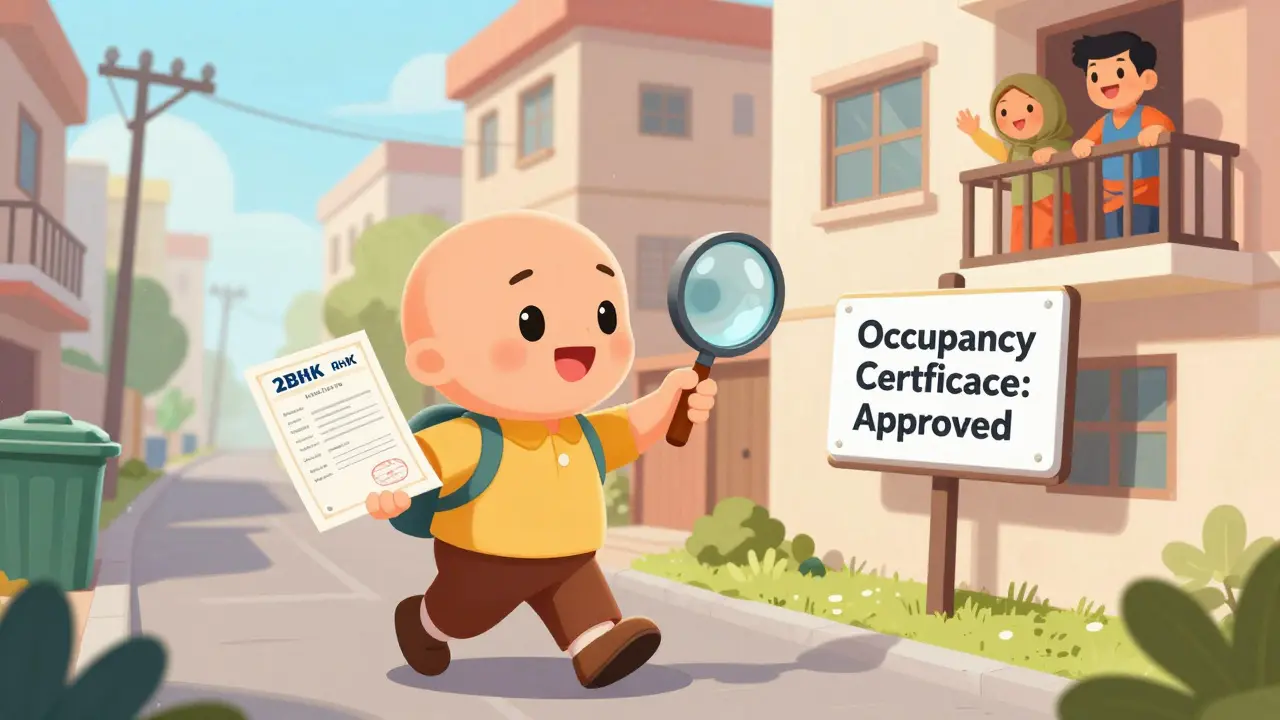
- Ask for the occupancy certificate. No occupancy certificate? No legal electricity or water connection. Don’t buy it.
- Walk around the neighborhood at 7 AM and 7 PM. Talk to residents. Are there garbage issues? Power cuts? Water shortages?
Pro tip: Look for properties that are 1-3 years old. They’re cheaper than brand-new ones, and the developer’s warranty is still active. New builds often have hidden flaws that show up after the first monsoon.
Costs Beyond the Price Tag
Many beginners think the listed price is the total cost. It’s not. Here’s what else you’ll pay:
- Registration fees: 5-7% of property value (varies by state)
- Stamp duty: 5-8% (higher for women buyers in some states-check local rules)
- Brokerage: 1-2% (negotiable)
- Maintenance deposit: ₹50,000-₹2 lakh (depending on society rules)
- Legal fees: ₹15,000-₹50,000 for title verification
For a ₹50 lakh property, expect to pay another ₹6-8 lakh in extra costs. That’s 12-16% on top. Always budget for this. Skipping it means you’ll be stuck with legal trouble later.
Financing: Loans vs. Cash
Most beginners don’t have enough cash to buy outright. That’s fine. Indian banks offer home loans up to 80% of the property value. But here’s what they don’t tell you:
- Interest rates are around 8.5-10% right now. Fixed rates are rare-most are floating.
- Your income must be 3x the monthly EMI. If you’re self-employed, you’ll need 2 years of ITRs.
- Prepayment penalties? Usually 1-2% if you pay off early within 3 years.
- Don’t use personal loans or credit cards to fund a down payment. Banks check your debt-to-income ratio. If you’re already carrying high debt, your loan gets rejected.
Best strategy: Put down 20-30% cash. Take a loan for the rest. This keeps your EMI manageable and gives you equity from day one.
Rentals: How to Make Money Without Selling
You don’t need to sell to profit. Renting out your property is the real game-changer.
Start with a clear rental agreement. Use the standard format from your state’s rent control act. Always include:
- Security deposit (usually 2-6 months’ rent)
- Utilities responsibility (who pays electricity, water, internet?)
- Maintenance responsibilities
- Penalty for late rent
Use platforms like NoBroker or MagicBricks to list. But don’t rely on them alone. Ask neighbors for referrals. Tenants found through word-of-mouth stay longer and pay on time.
Average monthly rent in Tier-2 cities:
| City | 1BHK | 2BHK | 3BHK |
|---|---|---|---|
| Indore | ₹12,000 | ₹18,000 | ₹25,000 |
| Coimbatore | ₹10,000 | ₹16,000 | ₹22,000 |
| Hyderabad | ₹15,000 | ₹22,000 | ₹30,000 |
| Pune | ₹18,000 | ₹28,000 | ₹38,000 |
Net rental income after taxes and maintenance? Around 5-7% annually. That’s better than most fixed deposits.
Common Mistakes to Avoid
Here’s what goes wrong for most beginners:
- Buying based on emotions: That villa with the pool? You’ll regret it when you realize the maintenance costs ₹15,000/month.
- Ignoring location trends: A property near a train station today might be next to a landfill in 5 years. Check municipal development plans.
- Not verifying documents: Fake title deeds are common. Always get a lawyer to check.
- Over-leveraging: Taking a loan for 90% of the property? You’ll be underwater if prices dip 10%.
- Waiting for the "perfect" time: The market never stops moving. Waiting for a crash? You’ll miss 3-5 years of growth.
What to Do Next
Start small. Pick one city from the list above. Set a budget. Visit 5 properties in person. Talk to 3 locals. Check RERA status. Compare rental data. Then decide.
Don’t rush. Real estate isn’t a lottery. It’s a slow, steady game. The people who win aren’t the ones who bought the cheapest house. They’re the ones who did their homework.
Can foreigners invest in Indian real estate?
Yes, non-resident Indians (NRIs) and foreign nationals can buy residential property without special approval. Commercial property is restricted unless you have a registered business in India. You cannot buy agricultural land, farmhouses, or plantations.
Is it better to buy ready-to-move-in or under-construction?
For beginners, ready-to-move-in is safer. Under-construction properties carry risks: delays, cost overruns, and sometimes fraud. If you do go for under-construction, ensure the builder is RERA-registered and has completed at least 30% of the project. Look for projects with bank funding-banks don’t lend to shady developers.
How much tax do I pay on rental income?
Rental income is taxed as "income from house property." You can deduct 30% of the rent as standard maintenance cost, plus property tax paid. If your net income is below ₹2.5 lakh/year, you pay no tax. Above that, it’s taxed at your income slab rate. NRIs must file an annual tax return in India.
Can I get a loan as an NRI?
Yes. Most Indian banks offer home loans to NRIs. You’ll need proof of income (salary slips or bank statements), a valid passport, and PIO/OCI card if applicable. Interest rates are slightly higher than for residents-usually 0.25-0.5% more. Repayment must be done through NRE or NRO accounts.
What’s the minimum investment to start?
You can start with as little as ₹15-20 lakh in cities like Indore or Coimbatore. That covers a 1BHK apartment with all extra costs included. For bigger cities, aim for ₹40-50 lakh minimum. The key isn’t the amount-it’s the location and rental potential.
Final Thought
Real estate in India rewards patience, not luck. The best investors aren’t the ones who bought at the bottom. They’re the ones who stayed in the game long enough to see the market turn. Start with one property. Learn from it. Then grow. Don’t try to do everything at once. The market will still be here next year-and the year after that.