Second Homes in India: Investment vs Vacation Home Considerations
Buying a second home in India isn’t just about having a place to escape to during holidays. For many, it’s a financial decision wrapped in emotion. You might picture sunsets over Goa’s beaches or quiet mornings in the hills of Coonoor. But before you sign anything, ask yourself: are you buying this for memories-or returns?
What’s the real cost of a second home in India?
A two-bedroom apartment in a decent coastal town like Varkala or Pondicherry starts around ₹40 lakh. In hill stations like Ooty or Mussoorie, prices can go up to ₹80 lakh or more. In contrast, a similar unit in a Tier-2 city like Coimbatore or Indore might cost ₹30-45 lakh. But the sticker price is only the start.
Don’t forget stamp duty-ranging from 5% to 12% depending on the state. Registration fees, legal checks, property tax, and maintenance charges add another 2-4% annually. If you’re planning to rent it out, you’ll need to factor in property management fees (usually 8-12% of monthly rent) and vacancy rates. In popular tourist spots, vacancy can hit 3-4 months a year during monsoon or off-season.
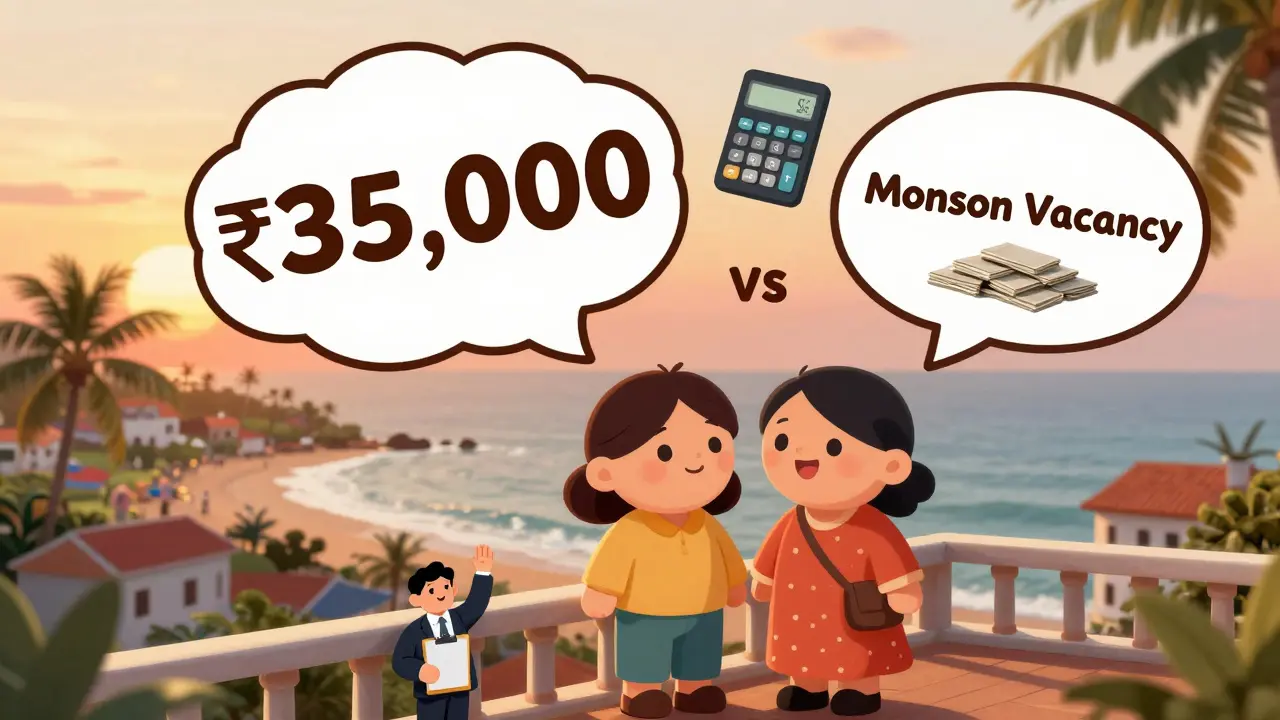
For example, a ₹60 lakh villa in Goa might generate ₹35,000-₹50,000 per month during peak season (November-March). But for the other six months, it sits empty. That’s an annual rental income of ₹2.1-3 lakh. After taxes, management fees, and maintenance, your net return might be just 2-3%. That’s lower than fixed deposits in many cases.
Is it an investment or a lifestyle purchase?
There’s a big difference between buying a property to make money and buying one to relax in. If your goal is returns, you need numbers that add up. If your goal is peace of mind, then the numbers matter less-but you still need to plan for them.
Investment-minded buyers look at rental yield, capital appreciation, and liquidity. Vacation homeowners care about views, distance from the airport, and whether the neighborhood feels like home. Both need to think about who will clean the house, fix the AC, or handle tenants when you’re not there.
Many people assume that because they love a place, it will appreciate fast. But real estate in India doesn’t always follow that logic. Cities like Pune and Hyderabad have seen steady growth over the last decade. But a beachside villa in a remote part of Odisha? It might not even double in value over 10 years. The market isn’t uniform. Location matters more than emotion.
Where do second homes actually make financial sense?
Some places have proven patterns. In Bengaluru, second homes near tech hubs like Whitefield or Sarjapur Road have seen 8-10% annual appreciation over the last five years. Why? Because professionals working there need short-term rentals during project deadlines or weekend getaways. Demand is consistent.
Similarly, in Dehradun, properties near the airport or close to schools and hospitals are rented out year-round-not just by tourists, but by families relocating temporarily for work. These aren’t luxury homes. They’re functional, well-maintained units that attract long-term tenants.
On the flip side, properties in remote hill stations or untouched beaches often fail as rentals. They’re hard to reach, lack reliable internet, and don’t have basic amenities like water supply or waste management. Tourists might love the idea of isolation-but they’ll leave bad reviews if the shower doesn’t work or the Wi-Fi cuts out after 10 minutes.
What about taxes and legal risks?
India doesn’t have a capital gains tax exemption for second homes like some Western countries. If you sell a property held for less than two years, you pay tax on the full profit at your income tax slab rate. After two years, it’s 20% with indexation. But indexation only helps if you have proper documentation of purchase cost and improvement expenses.
And here’s a hidden trap: if you’re an NRI, you can buy property in India without restrictions. But if you rent it out, you must pay tax on rental income in India. You can’t just ignore it. The Indian tax department now cross-checks bank transactions, property registrations, and rental agreements. Penalties for non-compliance can be steep.
Also, title clarity is critical. Many older properties in South India or rural areas have unclear ownership histories. A single dispute can tie up your property for years. Always hire a local lawyer to verify the chain of title. Don’t rely on what the broker says.
Can you rent it out without turning it into a business?
You don’t need to become a landlord to make money from your second home. Short-term rentals through platforms like Airbnb or StayUncle are popular-but they come with rules.
In cities like Mumbai and Delhi, local laws restrict short-term rentals in residential buildings. Some societies ban rentals under 30 days. Others require permission from the managing committee. Violate these rules, and you risk fines or even eviction.
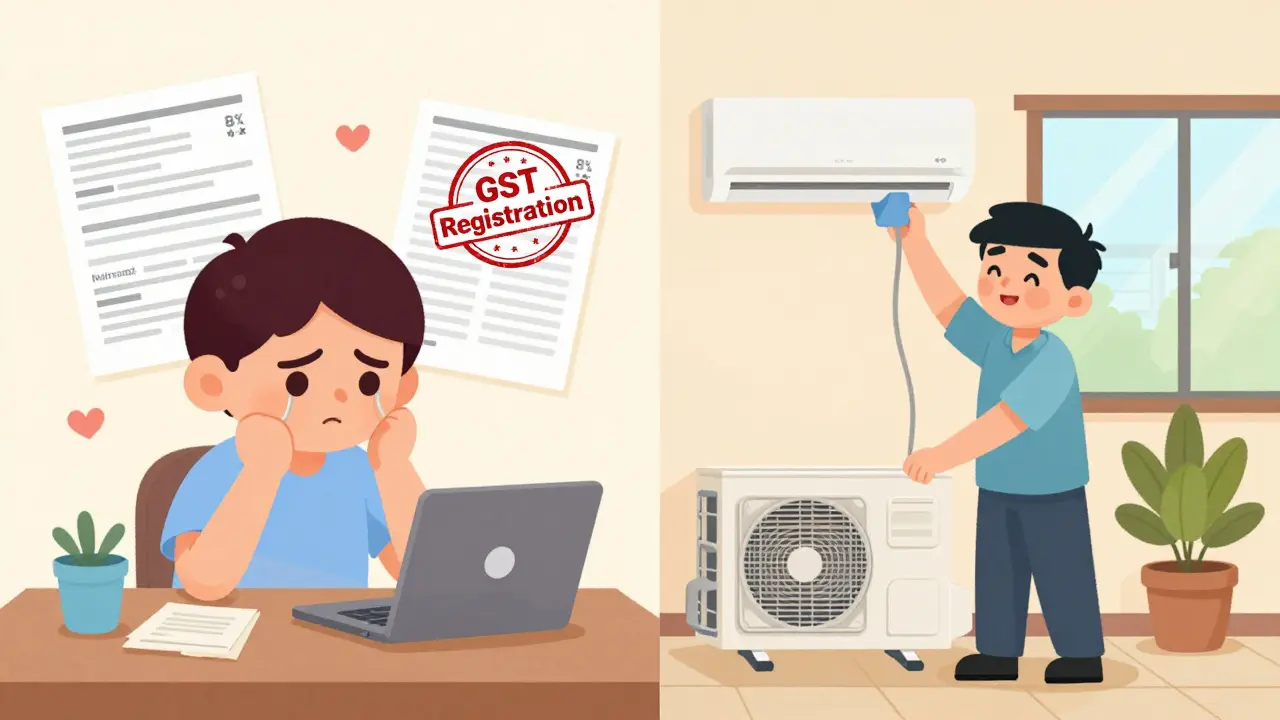
Coastal towns like Gokarna or Pondicherry are more relaxed. But you still need to register for GST if your annual rental income exceeds ₹20 lakh. And you’ll need to file quarterly returns. It’s not complicated, but it’s paperwork you can’t skip.
One smart approach: use a property manager. They handle bookings, cleaning, maintenance, and tax filings. Their fee eats into your profit, but it saves you hours-and stress. For someone living abroad or with a full-time job, this isn’t a luxury. It’s a necessity.

What are the alternatives to owning a second home?
If the idea of maintenance, taxes, and legal headaches feels overwhelming, there are other ways to enjoy a second home without owning one.
Timeshare clubs like Club Mahindra or TUI offer annual stays in multiple locations for a fixed fee. You get access to resorts without the burden of ownership. Costs range from ₹1.5-3 lakh upfront, plus annual maintenance. It’s not an investment, but it’s predictable.
Or consider renting long-term. In places like Rishikesh, Udaipur, or Munnar, you can rent a furnished villa for ₹15,000-₹30,000 per month. That’s less than the monthly EMI on a ₹50 lakh property. You get flexibility. You can switch locations every year. And you avoid the risk of market crashes or tenant problems.
Some people are now buying fractional ownership in luxury villas. Companies like NestAway and MyHome offer shares in high-end properties. You pay ₹10-15 lakh for 1/8th ownership and get 4-6 weeks of usage per year. It’s a middle ground between full ownership and renting.
Who should avoid buying a second home in India?
If you’ve never rented out property before, don’t start with a second home. The learning curve is steep. You’ll face tenant issues, repair delays, and seasonal income swings.
If you plan to visit only twice a year, you’re better off booking hotels or rentals. The emotional satisfaction of owning a place doesn’t outweigh the financial cost if you’re not using it.
If you’re buying purely because everyone else is doing it-don’t. Real estate isn’t a trend. It’s a long-term commitment. And in India, liquidity is low. Selling a property quickly is hard. You might need to drop the price by 15-20% to find a buyer in a hurry.
And if you’re relying on capital appreciation alone-be realistic. India’s real estate market doesn’t grow at 15% a year anymore. Most areas are seeing 5-8% annual growth. That’s healthy, but not explosive. Don’t bet your retirement on it.
Final checklist: Are you ready?
- Do you have 15-20% extra cash? Beyond the purchase price, you need reserves for repairs, taxes, and vacancies.
- Can you visit at least 3-4 times a year? If not, you’ll lose control over maintenance and tenant quality.
- Have you checked local rental laws? Some cities ban short-term rentals. Some societies don’t allow them at all.
- Do you have a local contact? A reliable caretaker, lawyer, or property manager is non-negotiable.
- Are you okay with low returns? If your goal is to beat fixed deposits, this might not be the way.
Buying a second home in India can be rewarding. But only if you treat it like a business-even if it’s your dream getaway. Emotion drives the decision. Logic keeps it sustainable.
Can NRIs buy second homes in India?
Yes, NRIs can buy residential and commercial property in India without any special permission. They cannot buy agricultural land, plantations, or farmhouses. Rental income is taxable in India, and taxes must be filed annually. Capital gains from selling the property are also subject to Indian tax laws.
Which cities offer the best rental yields for second homes?
Cities like Bengaluru, Pune, Hyderabad, and Coimbatore offer the highest rental yields-between 4% and 6% annually. These areas have strong demand from professionals, students, and short-term renters. Coastal towns like Goa and Pondicherry have higher prices but lower yields due to seasonal demand and high maintenance costs.
Is it better to buy a villa or an apartment as a second home?
Apartments are easier to manage and rent out. They usually come with security, maintenance staff, and shared amenities. Villas offer privacy and space but require more upkeep, have higher property taxes, and are harder to rent consistently. If you want passive income, go for an apartment. If you want solitude and space, a villa makes sense-but only if you’re prepared for the extra work.
How do I avoid property fraud when buying in India?
Always verify the title deed through a local lawyer. Check for encumbrances at the sub-registrar’s office. Get a recent property tax receipt and confirm the seller’s identity with their Aadhaar and PAN. Avoid deals where the seller pressures you to pay in cash or skip documentation. If the price seems too good to be true, it usually is.
Should I buy a second home in India if I live abroad?
Only if you have a reliable local team to manage it. Without someone on the ground to handle repairs, tenants, and taxes, the property can become a financial drain. Many NRIs regret buying without a plan for management. Consider fractional ownership or long-term rentals instead if you can’t commit to active oversight.
If you’re thinking about buying a second home in India, start with your goals-not your dreams. Ask what you want from the property, not just where you want to sit on a balcony. The right choice isn’t about beauty. It’s about sustainability.