Rental Income Tax India: What You Need to Know About Taxing Property Rent
When you rent out a property in India, the money you earn isn’t free from taxes. rental income tax India, the tax applied to income earned from leasing residential or commercial property. It falls under the head Income from House Property in the Income Tax Act. This isn’t just about collecting rent—it’s about reporting it, claiming deductions, and paying what’s due. Many landlords think if they don’t receive rent in cash, or if the tenant doesn’t ask for a receipt, they don’t have to declare it. That’s a mistake. The tax department tracks property records, bank deposits, and even tenant filings. Ignoring it can lead to notices, penalties, or worse.
Here’s the simple truth: if you own a property and let it out, the rent you get is taxable. But you’re not taxed on the full amount. You can reduce your taxable income by claiming deductions. The biggest one is under Section 24, a provision in the Income Tax Act that allows deductions for interest paid on home loans for rented properties. You can deduct up to ₹2 lakh a year for home loan interest, even if your actual interest is higher. If you don’t have a home loan, you still get a flat 30% deduction on the net annual value of the property for repairs and maintenance. You can also deduct municipal taxes paid during the year. What’s left after these deductions is your taxable rental income.
What if you own more than one property? Only one can be treated as self-occupied and exempt from tax. The others are considered rented, even if they’re empty. The tax department assumes they could be rented, so they calculate notional rent based on market rates. That’s why many people end up paying tax on properties they never actually rented out. And if you live in one unit and rent out another in the same building? Each unit is treated separately. You can claim separate deductions for each.
Don’t forget about TDS. If your tenant is a company or an individual paying over ₹2.4 lakh a year in rent, they’re required to deduct 5% tax at source and deposit it with the government. You’ll get a Form 16A as proof. You must include this in your return. If you’re a non-resident Indian renting out property in India, the rules are stricter—you need a PAN, and TDS is higher at 30%.
There’s no escape from reporting. Even if you rent to a family member at a low rate, the tax department can still assess the fair market value and tax you on that. But there’s good news: if your total income from rent is below the basic exemption limit (₹2.5 lakh for individuals under 60), you don’t owe tax. Still, you should file a return to stay compliant.
What you’ll find below are clear, no-fluff guides on how to handle rental income tax in India. From how to calculate your net annual value, to what documents to keep, to how to file ITR-1 or ITR-2 correctly. You’ll see real examples of deductions, how to handle multiple properties, and what happens when you sell a rented property. No theory. No jargon. Just what works.
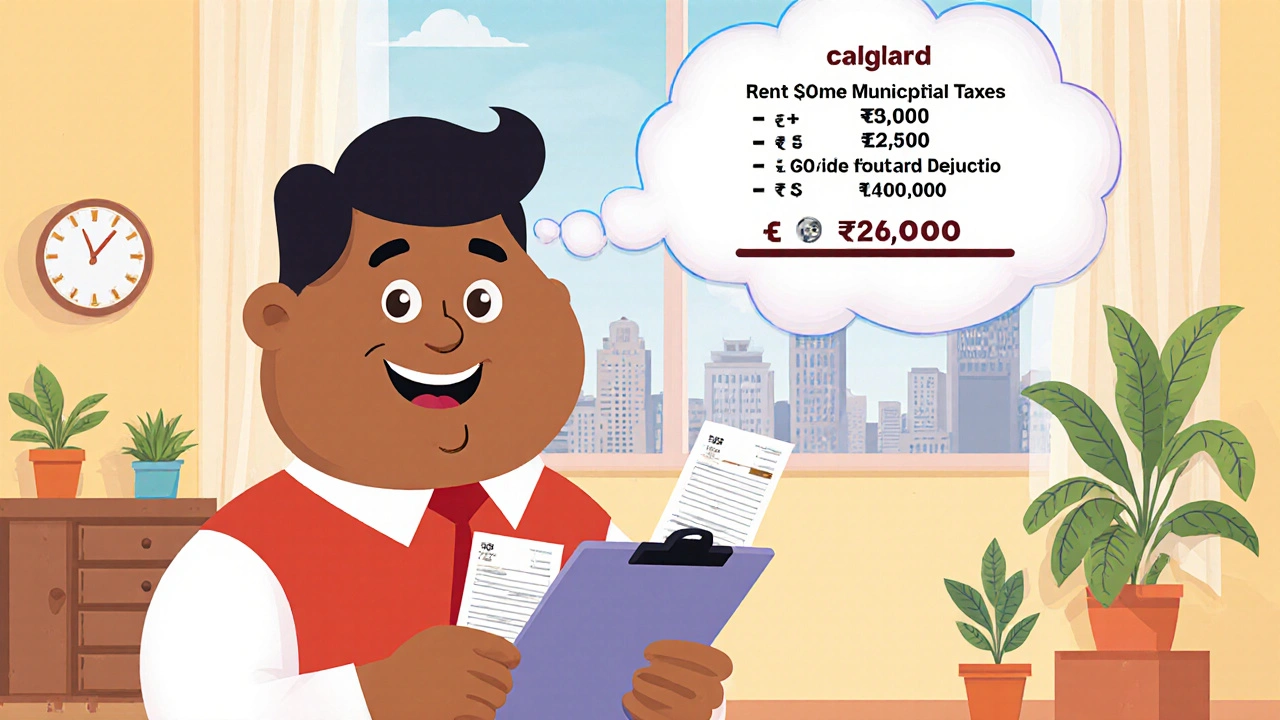
Learn how to correctly declare rental income in India and claim all eligible tax deductions to lower your tax bill. Avoid common mistakes and stay compliant with current rules.
Continue Reading