ELSS Lock-in Period: What It Is and Why It Matters for Your Tax Savings
When you invest in an ELSS, Equity Linked Savings Scheme, a type of mutual fund designed for tax savings under Section 80C of the Indian Income Tax Act. It’s one of the few investment options that gives you exposure to the stock market while helping you cut your tax bill. But there’s a catch: your money is locked in for three years, the mandatory holding period for ELSS funds. Unlike PPF or FDs, which tie up your cash for longer, ELSS locks it in for just 36 months. That’s the shortest lock-in among all Section 80C instruments.
Why does this matter? Because time in the market beats timing the market. The three-year lock-in forces you to stay invested through market ups and downs, which is exactly how you build real wealth. Most people panic and sell when markets dip—but with ELSS, you can’t. And that’s a good thing. Over the long run, equity funds like ELSS have consistently outperformed fixed-income options like PPF and NSC. The lock-in isn’t a penalty; it’s a built-in discipline tool.
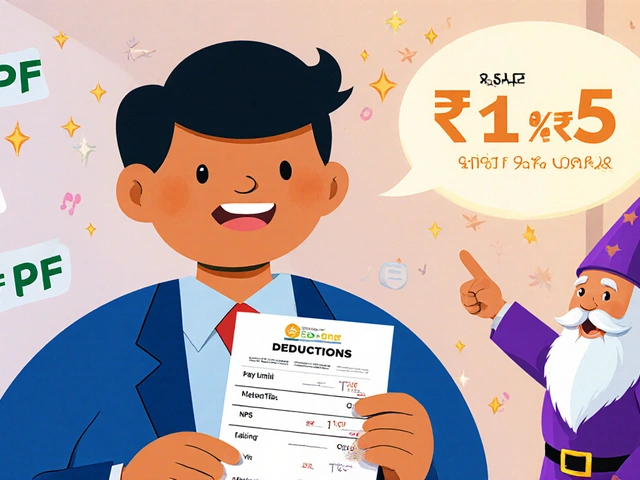
People often confuse ELSS with regular mutual funds. But Section 80C, a provision in India’s tax code that lets you claim deductions up to ₹1.5 lakh per year is what makes ELSS special. Only funds approved under this section qualify for tax benefits. And among all 80C options, ELSS offers the highest potential returns because it’s mostly invested in equities. The lock-in period is tied directly to this risk-reward balance. No lock-in? No tax break. Simple as that.
You might wonder: What happens after the lock-in ends? Nothing automatic. Your money stays invested unless you choose to redeem. Many investors keep their ELSS units growing, especially if the fund has performed well. Others switch to other funds or move to debt for stability. The point is—you’re not forced to exit. The lock-in only restricts you from pulling out early. After that, it’s your call.
And here’s something most don’t realize: SIPs in ELSS have individual lock-ins. If you start a ₹5,000 monthly SIP, each installment gets locked in for three years from its own date. So your first ₹5,000 is free after 36 months, your second after 37 months, and so on. This staggered exit can help you manage cash flow better during market highs.
ELSS isn’t for everyone. If you need quick access to cash, it’s not the right fit. But if you’re saving for long-term goals—retirement, a child’s education, or just building wealth—it’s one of the smartest moves you can make under Section 80C. The lock-in period is the price of admission. And in return, you get the power of compounding, tax savings, and the chance to beat inflation.
Below, you’ll find real comparisons between ELSS and other 80C options, breakdowns of top-performing funds, and clear guidance on how to pick the right one without falling for marketing hype. No fluff. Just what works.

ELSS funds in India offer tax savings under Section 80C with a 3-year lock-in and the potential for 12-15% annual returns. Learn how they compare to PPF, FDs, and NSC, and how to pick the right fund for long-term wealth building.
Continue Reading
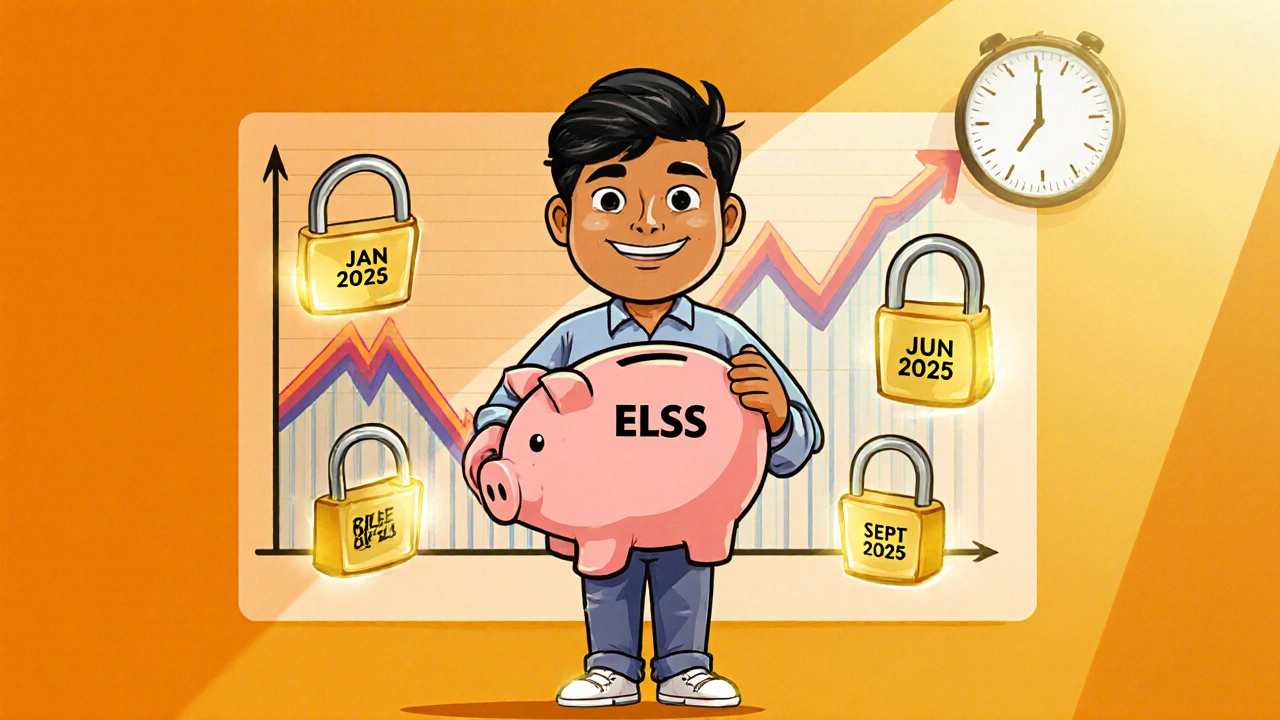
ELSS mutual funds offer tax savings under Section 80C with a unique 3-year lock-in that forces long-term investing. Learn why this restriction makes ELSS the best tax-saving option for growth-focused investors.
Continue Reading