EPF in India: How It Works, Who It Helps, and What You Need to Know
When you start a job in India, one of the first things your employer does is enroll you in the Employees' Provident Fund, a government-managed savings scheme that helps workers build long-term financial security through mandatory monthly contributions from both employee and employer. Also known as EPF, it’s not just a deduction on your salary—it’s money you own, growing over time with tax-free interest. Every rupee you put in gets matched by your employer, and the government adds interest every year—currently around 8.15%—so your savings grow without you lifting a finger.
The EPF, a mandatory retirement savings plan for salaried employees in India, managed by the Employees' Provident Fund Organisation (EPFO) is designed for people who work in organizations with 20 or more employees. It’s not optional. If you’re on a regular payroll, you’re in it. Your contribution is 12% of your basic salary plus dearness allowance, and your employer adds another 12%. But here’s the catch: only 3.67% of your employer’s share goes into your EPF account—the rest goes to the EPS (Employees’ Pension Scheme). That’s why you see different numbers on your payslip. The money stays locked until retirement, but you can withdraw it early under specific conditions: if you’re unemployed for over two months, buying a home, or dealing with serious medical emergencies.
What makes EPF different from other savings tools is how simple and safe it is. Unlike mutual funds or stocks, there’s no market risk. The government backs it. It’s not affected by inflation swings or stock crashes. Even if your company shuts down, your EPF balance is still safe. You can track it online through the EPFO portal using your UAN number. And when you switch jobs, you don’t lose anything—you just transfer the balance. No paperwork nightmares, no delays if you do it right.
Many people think EPF is just for retirement. But it’s also a powerful tool for major life goals. You can use it to pay off a home loan, fund your child’s education, or even cover wedding costs. The rules changed in 2023 to make withdrawals faster and more flexible. If you’ve been contributing for five years, you can even withdraw the full amount tax-free when you leave a job. That’s a huge advantage over fixed deposits or savings accounts, where interest is taxed every year.
There’s a reason EPF is the most trusted savings system in India. Over 70 million active members rely on it. It’s not flashy. It doesn’t promise quick riches. But it delivers steady, reliable growth—year after year. Whether you’re 25 and just starting out or 55 and planning your exit, EPF is the quiet backbone of your financial future. The posts below break down exactly how to manage it: how to check your balance, when to withdraw, how to transfer between jobs, and what to do if your employer skips contributions. No fluff. Just what works.

Self-employed and freelance workers in India need a clear retirement plan. This guide covers NPS, PPF, SIPs, and tax strategies to build a secure retirement without employer support.
Continue Reading
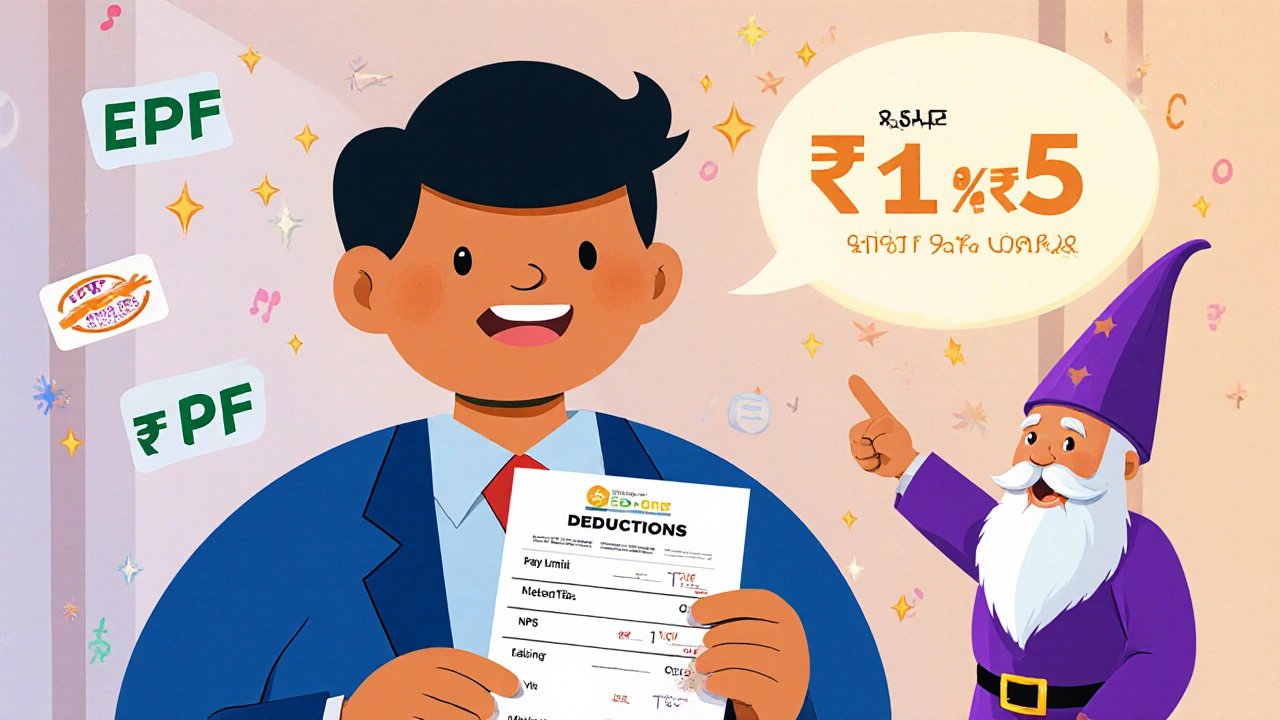
Understand how EPF, NPS, and payroll deductions help you save tax under Section 80C in India. Learn how to maximize your ₹1.5 lakh deduction with simple employer-based investments.
Continue Reading