NPS Partial Withdrawal Rules 2026: Education, Marriage, and Medical Eligibility Explained
Guide on accessing NPS funds early for education, marriage, or medical needs. Learn eligibility, documentation, tax rules, and process steps.
Continue ReadingWhen you join the National Pension System, a government-backed retirement savings scheme in India that lets you build a pension corpus through regular contributions. It's designed for long-term growth, but life doesn't always wait—sometimes you need access to your money before retirement. That’s where NPS partial withdrawal comes in. This feature lets you withdraw a portion of your savings under specific conditions, without closing your account entirely.
Unlike full withdrawal, which only happens at retirement, partial withdrawal is for emergencies or major life events. You can access up to 25% of your own contributions (not the government’s or employer’s) after being in the scheme for at least three years. It’s not a loan—it’s a draw on your own money, and you can only do it three times during your entire NPS tenure. The rules are strict: you need a valid reason like medical treatment, higher education for children, marriage, or buying your first home. The system doesn’t allow withdrawals for travel, luxury purchases, or debt repayment. If you’re using it for medical reasons, you’ll need hospital bills or doctor’s notes. For education, you’ll need admission letters or fee receipts. The NPS Tier I account, which is the main pension account, is the only one eligible for partial withdrawal. Tier II accounts, which are voluntary savings accounts, don’t have lock-ins and can be withdrawn anytime without approval.
There’s no tax on the amount you withdraw under partial withdrawal, as long as it’s from your own contributions. But if you withdraw more than 25%, or if you’re using it for reasons not listed by the government, your request will be rejected. The process is digital—you apply through your NPS account portal, upload documents, and wait for approval from your Point of Presence (POP). It usually takes 7 to 15 days. Many people don’t realize they can use this feature to avoid high-interest loans during emergencies. But using it too early or too often can hurt your retirement savings. Think of it like a safety valve, not a piggy bank. Once you’ve used your three chances, you can’t go back. The NPS partial withdrawal rule is meant to balance flexibility with discipline. It’s there to help, not to encourage early spending. If you’re thinking about tapping into your pension fund, ask yourself: is this a true need, or just a want? The system won’t judge you, but your future self will.
Below, you’ll find detailed guides on how to apply, what documents to prepare, and real-life examples of how others have used NPS partial withdrawal wisely—or regretfully. Whether you’re planning for a child’s education, facing unexpected medical costs, or buying your first home, the right information can make all the difference.

Guide on accessing NPS funds early for education, marriage, or medical needs. Learn eligibility, documentation, tax rules, and process steps.
Continue Reading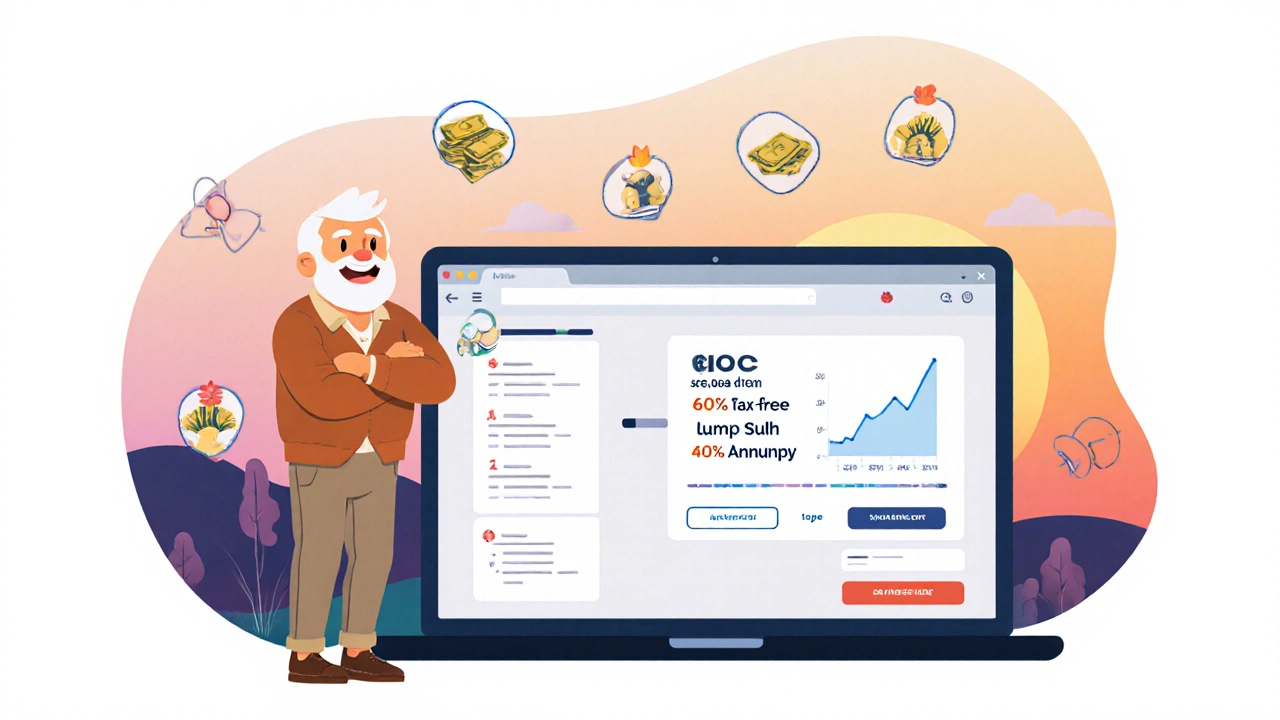
Understand the NPS withdrawal rules in India: when you can access your retirement funds, how much you can withdraw, tax implications, and how to avoid costly mistakes. Learn the step-by-step process for withdrawal at 60 and beyond.
Continue Reading