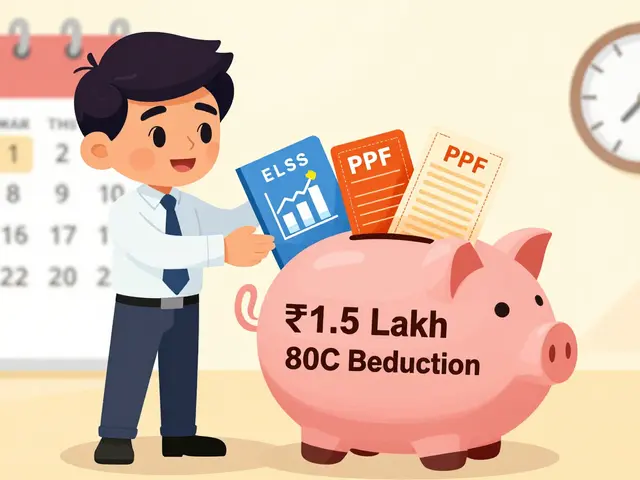
Rental Income Rules in India: What You Need to Know About Tax, Reporting, and Legal Requirements
When you rent out a property in India, the money you earn isn’t just extra cash—it’s rental income, money earned from leasing residential or commercial property that’s taxable under Indian law. Also known as income from house property, this is one of the most common sources of passive income for homeowners, but also one of the most misunderstood. Many people think if they don’t get a formal rent agreement or don’t file ITR, they’re safe. That’s not true. The Income Tax Department tracks rental income through bank deposits, tenant TDS filings, and property records. If you’re renting out even a single room, you’re legally required to report it.
There are three big things every landlord needs to know: tax deductions, allowed expenses you can subtract from rent to lower your taxable amount, TDS rules, when your tenant must withhold tax before paying you, and property tax compliance, local municipal charges that affect your net income. You can deduct 30% of your gross rent as a standard allowance for repairs and maintenance—no receipts needed. You can also claim actual interest paid on home loans for the rented property. But you can’t claim personal expenses like your own electricity or grocery bills. If your annual rent exceeds ₹2,40,000, your tenant must deduct 5% TDS under Section 194-I. If you own multiple properties, each one is treated separately for tax purposes. The property with the highest net income is treated as self-occupied (if you live in it), and the rest are deemed rented—even if they’re empty.
Some landlords avoid declaring rent because they fear higher tax bills. But the real risk is penalties—up to 200% of unpaid tax, plus interest. The government now links Aadhaar, PAN, and property records. If your tenant pays rent via UPI or bank transfer and your PAN is linked, the transaction shows up in your Form 26AS. Ignoring this isn’t smart. You can reduce your tax burden legally by splitting rent among co-owners, using the standard deduction, or claiming home loan interest. You don’t need a chartered accountant to file—it’s simple if you know the rules.
Below, you’ll find real examples and clear explanations from people who’ve been through this—whether they’re renting out a flat in Prayagraj, a shop in Lucknow, or a room in Delhi. These aren’t theoretical guides. They’re practical breakdowns of what works, what doesn’t, and what the authorities actually check.
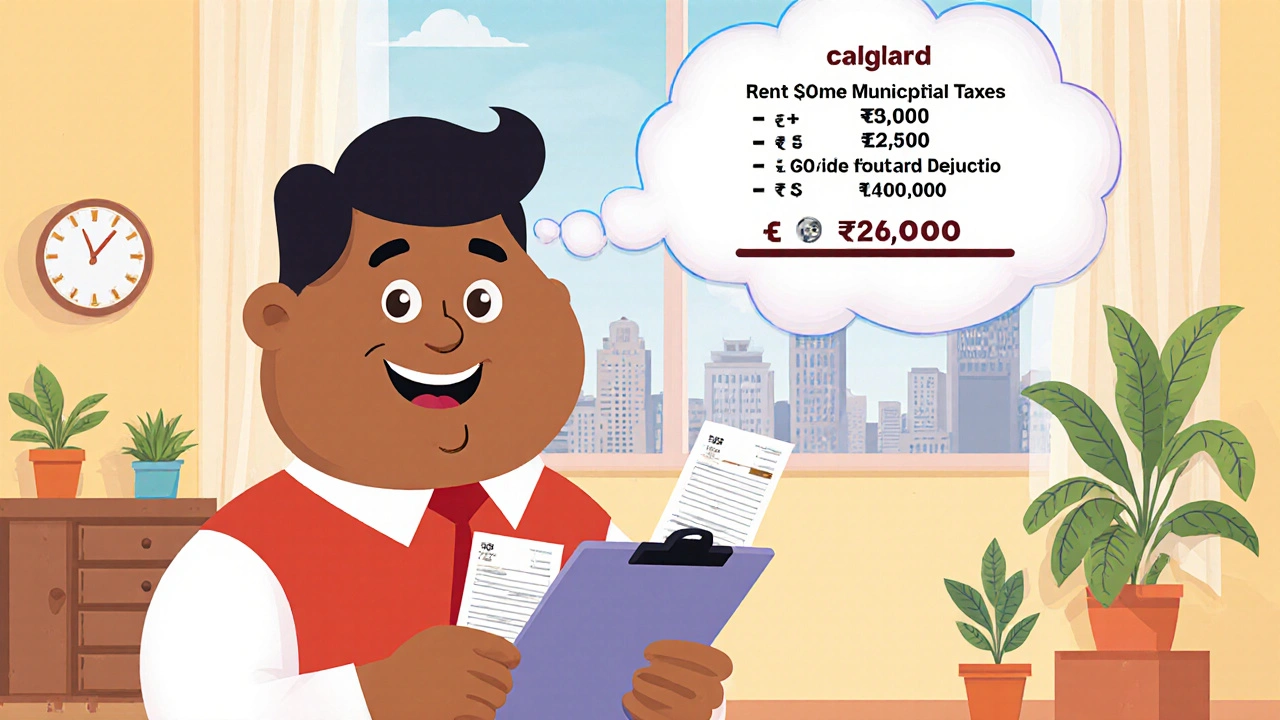
Learn how to correctly declare rental income in India and claim all eligible tax deductions to lower your tax bill. Avoid common mistakes and stay compliant with current rules.
Continue Reading