Urdu in Prayagraj: Language, Culture, and Daily Life in the City
When you walk through the old lanes of Prayagraj, you hear more than just Hindi—you hear Urdu, a language rooted in Mughal courts, shaped by local dialects, and still spoken by millions across northern India. Also known as Hindustani, it’s not just a relic of the past—it’s the voice of markets, poetry circles, and family gatherings in neighborhoods like Civil Lines and Bada Bazaar. This isn’t about textbooks or exams. It’s about the way shopkeepers greet customers with Assalamu alaikum, how wedding invitations are written in elegant Nastaliq script, and how grandparents tell stories in a mix of Urdu and Awadhi that no dictionary can fully capture.
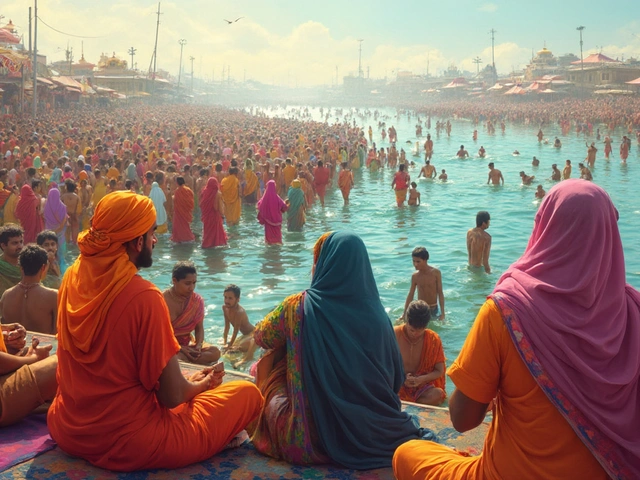
Prayagraj has always been a crossroads. It’s where the Ganga and Yamuna meet—and where languages blend. While Hindi dominates official spaces, Urdu, a language that carries centuries of literary tradition, from Ghalib to Faiz, remains deeply woven into the city’s identity. You’ll find it in the handwritten signs of sweet shops, in the call to prayer echoing from the Jama Masjid, and in the lyrics of qawwalis sung during Muharram. Even younger generations, though fluent in English and Hindi, often understand Urdu because it’s the language of home, of grandma’s lullabies, of the Friday sermons at local mosques. It’s not taught much in schools anymore, but it’s passed down—quietly, powerfully.
The city’s history as Allahabad gave Urdu a strong foothold. Under the Mughals and later the British, it was the language of administration, law, and literature. Even after the name changed to Prayagraj in 2018, the cultural fabric didn’t snap. Urdu poetry readings still draw crowds at the Allahabad Public Library. Local newspapers like Aligarh Ki Awaz and Prayagraj Times publish Urdu columns. And if you visit the old book markets near Chowk, you’ll find stacks of dusty Urdu novels, religious texts, and old magazines—each page a whisper of a living tradition.
What makes Urdu in Prayagraj special isn’t just how many people speak it, but how it lives. It’s not isolated. It dances with Hindi. It borrows words from Bhojpuri. It adapts. You’ll hear someone say chai instead of chay, or use khana instead of bhojan—not because they don’t know the "correct" form, but because that’s how it’s always been said here. This isn’t language decay. It’s evolution.
And if you want to understand Prayagraj beyond the Sangam and the forts, you need to listen to its words. The way people talk in the lanes behind the Allahabad High Court, the way elders argue over politics in Urdu at tea stalls, the way young poets recite lines under the banyan trees near Khusro Bagh—this is where the city’s soul speaks. The posts below dig into exactly that: the people who keep Urdu alive, the places where it thrives, the songs and stories that carry it forward, and how it connects to the city’s deeper history. You’ll find interviews, street portraits, and forgotten texts—all showing why Urdu isn’t just spoken here. It’s breathing.
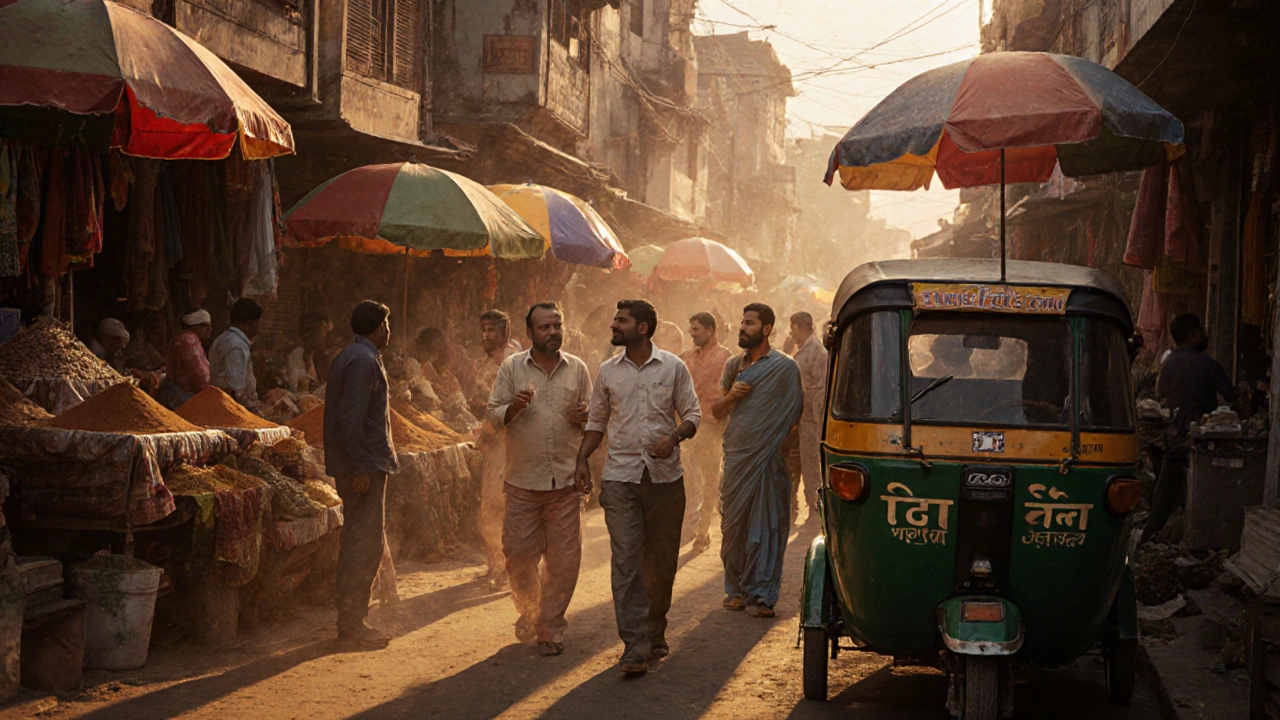
Hindi is the main language spoken in Prayagraj (formerly Allahabad), with Urdu, Bhojpuri, and English also present. The city's linguistic mix reflects its history, culture, and diverse population.
Continue Reading