Title Due Diligence in India: How to Verify Property Ownership and Encumbrances
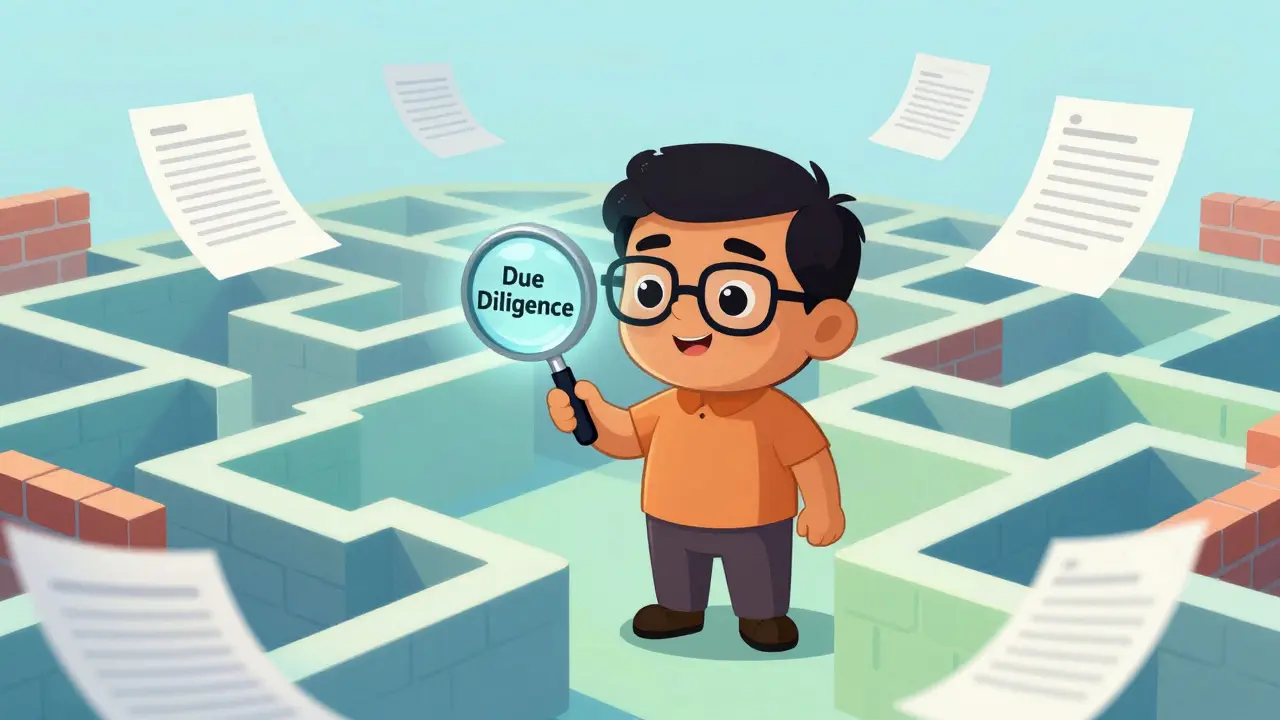
Buying property in India feels like walking through a maze where the walls keep moving. You find a beautiful apartment or a plot of land that fits your budget perfectly. The seller seems honest. The price is right. But then you sign the papers, pay the money, and six months later, a distant relative claims they own half the land. Or worse, the bank forecloses on the property because the previous owner never paid their loan. This isn’t a horror story; it’s a common reality for buyers who skip title due diligence.
In the Indian real estate market, the concept of "possession equals ownership" is a dangerous myth. Just because someone lives in a house doesn't mean they have the legal right to sell it. Without a thorough check of the title deed and encumbrance records, you are essentially gambling with your life savings. Whether you are buying a resale flat in Mumbai, a farm house in Pune, or agricultural land in Kerala, the process of verifying ownership remains the single most critical step in the transaction.
What Exactly Is Title Due Diligence?
Think of title due diligence as a background check for a piece of land or building. It is the process of verifying that the person selling the property actually owns it and has the legal authority to transfer it to you. More importantly, it ensures there are no hidden debts, lawsuits, or government claims attached to the property.
In India, this process relies heavily on documentary evidence rather than a centralized digital database (though this is changing slowly). You are looking for a clear "chain of title." This means tracing the history of the property back at least 30 years. Every sale, gift, inheritance, or partition during those three decades must be documented and legally sound. If one link in that chain is broken-for example, if an ancestor sold the land without getting consent from all co-heirs-the entire title becomes defective.
Why do I need to check the title for 30 years?
Indian courts often look at possession and title history over a long period to determine ownership rights. A 30-year search helps uncover old wills, unregistered partitions, or forgotten heirs who might claim rights later. It provides a buffer against latent defects that may not appear in recent documents.
The Core Documents You Must Inspect
To perform effective due diligence, you need to gather specific documents. Relying on just the latest sale deed is a recipe for disaster. Here is the checklist of primary entities involved in the documentation:
- Sale Deed: The most critical document. It proves the current owner bought the property. Check if it was registered with the Sub-Registrar Office.
- Encumbrance Certificate (EC): This is a public record showing any financial liabilities on the property. A "Nil" EC means no transactions were recorded, but it doesn't guarantee the absence of unregistered claims.
- Parent Deeds: These are the deeds from which the current owner derived their title. If the seller inherited the property, you need the Will, Succession Certificate, or Probate.
- Property Tax Receipts: Proof that taxes have been paid up to date. Unpaid municipal taxes can become a liability for the new owner in some jurisdictions.
- No Objection Certificates (NOCs): Required if the property is in a cooperative society, near an airport, or involves converted agricultural land.
Many buyers make the mistake of accepting photocopies. Always insist on seeing the original registered documents. Compare the photocopy with the original to spot alterations. Look for watermarks, registration stamps, and signatures of witnesses.
Understanding the Encumbrance Certificate
The Encumbrance Certificate is often misunderstood. People see a "Nil" status and assume the property is clean. However, the EC only reflects transactions that were registered. If a previous owner gave a power of attorney to sell the land but didn't register the subsequent sale deed immediately, it might not show up in the EC for a few months. Similarly, oral agreements or unregistered leases won't appear here.
You should request the EC for the last 30 years from the local Sub-Registrar Office. In many states like Karnataka and Maharashtra, you can now download this online via state revenue portals. When reviewing the EC, look for:
- Registered Sales: Ensure the names match the chain of title.
- Mortgages: Check if the property was used as collateral for a loan. Was the loan repaid? You need the discharge memo proving the mortgage was closed.
- Gift Deeds: Gifts can sometimes be contested by family members if proper consent wasn't obtained.
- Leases: Long-term leases (over 12 months) must be registered. An unregistered lease might still be valid in court, creating a "buyer beware" situation.

Red Flags in Property Documentation
Even experienced investors miss subtle signs of trouble. Here are specific red flags that indicate a high-risk title:
| Document Issue | Potential Risk | Action Required |
|---|---|---|
| Missing Parent Deeds | Broken chain of title; seller may not have valid ownership. | Do not proceed until the gap is filled with legal evidence. |
| Power of Attorney (PoA) Sale | Supreme Court rulings have declared PoA sales invalid for transferring title. | Reject PoA-only sales. Demand a registered Sale Deed. |
| Agricultural Land Conversion Missing | Selling agri-land for residential use without conversion is illegal. | Verify conversion order from the District Collector. |
| Discrepancy in Survey Numbers | The deed describes a different plot than the physical land. | Hire a licensed surveyor to verify boundaries on-site. |
| Outstanding Litigation | Court cases pending regarding ownership or boundary disputes. | Check civil court records; consider insurance or walking away. |
One of the biggest risks in India is the "Power of Attorney" scam. Sellers often try to sell property via a General Power of Attorney (GPA) instead of a registered Sale Deed. Since 2011, the Supreme Court of India has ruled that GPA cannot be used to transfer title. If you buy via GPA, you don't own the property; you only have permission to possess it. The original owner can revoke the GPA at any time, leaving you with nothing.
The Role of Legal Professionals
While you can read the documents yourself, interpreting them requires legal expertise. A local property lawyer acts as your shield. They will visit the Sub-Registrar Office to pull original files, not just computerized records. They will also conduct a "physical inspection" of the property to ensure no one else is in possession.
Ask your lawyer to provide a "Title Opinion." This is a formal document stating whether the title is marketable and free from defects. If the lawyer identifies issues, they should suggest remedies, such as indemnity bonds or obtaining consent from missing heirs. Never waive this step to save on legal fees. The cost of a lawyer is negligible compared to the cost of losing the property.

Special Cases: Cooperative Housing Societies
If you are buying a resale flat in a Cooperative Housing Society (common in Mumbai, Pune, and Bangalore), the due diligence process adds another layer. The builder's title is transferred to the society, and the society holds the share certificates for members.
In this scenario, you must verify:
- Share Certificate: Does the seller hold the shares in the society?
- NOC from Society: Has the society approved the transfer? Are there outstanding maintenance dues?
- Occupation Certificate (OC): Has the building received OC from local authorities? Without OC, banks may refuse loans, and you might face utility connection issues.
- Completion Certificate: Ensures the building was constructed as per approved plans.
Failure to get the NOC can lead to the society refusing to register your name as a member, effectively blocking your legal ownership even if you have the sale deed.
Step-by-Step Verification Process
To streamline your due diligence, follow this logical flow:
- Collect Documents: Get all deeds, tax receipts, and identity proofs from the seller.
- Engage a Lawyer: Hire a local real estate lawyer to review the documents.
- Obtain Encumbrance Certificate: Request the EC for the last 30 years from the Sub-Registrar.
- Verify Chain of Title: Trace the ownership back 30 years. Ensure every transfer was registered.
- Check Municipal Records: Visit the local municipal office to verify property tax payments and zoning regulations.
- Physical Inspection: Visit the site. Talk to neighbors. Check for encroachments.
- Search for Litigation: Ask the lawyer to search civil and criminal court records for any cases involving the property or the seller.
- Final Clearance: Once satisfied, proceed with the token advance and draft the agreement for sale.
Conclusion: Protect Your Investment
Title due diligence is not just a bureaucratic hurdle; it is the foundation of secure real estate investing in India. The market is opaque, and documentation practices vary wildly across states. By taking the time to verify ownership, check for encumbrances, and understand the legal history of the property, you protect yourself from costly litigation and heartbreak. Remember, a cheap property with a dirty title is more expensive than a fairly priced property with a clean title. Do the work upfront, sleep well at night.
Can I do title due diligence myself without a lawyer?
You can gather documents and check basic details online, but fully verifying a title requires legal interpretation of complex deeds and court precedents. Skipping a lawyer increases the risk of missing latent defects, which can lead to total loss of investment.
What is the difference between a Sale Deed and a Registry?
The Sale Deed is the document that transfers ownership. Registration is the legal process of recording this deed with the government. An unregistered Sale Deed is generally inadmissible in court as proof of title. Always ensure the deed is registered.
How long does title due diligence take in India?
Typically, it takes 2 to 4 weeks. Delays can occur if documents are missing, if you need to visit multiple government offices, or if there are complex inheritance issues requiring additional verification.
Is an Encumbrance Certificate enough to prove clear title?
No. An EC only shows registered transactions. It does not cover unregistered agreements, oral contracts, or pending litigations that haven't resulted in a decree yet. It is one part of the puzzle, not the whole picture.
What should I do if the seller refuses to provide parent deeds?
Walk away. Refusal to provide parent deeds suggests the seller may have a defective title or is hiding past irregularities. Legitimate sellers understand the buyer's right to verify the full chain of ownership.