Indian Stock Market: How Dividends, Taxes, and Holidays Shape Your Investments
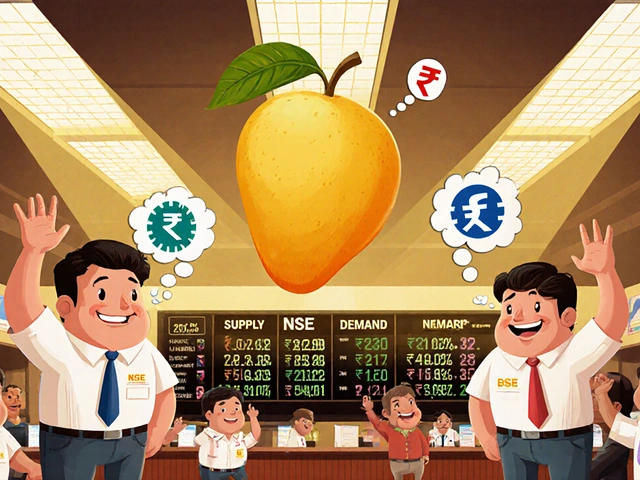
When you invest in the Indian stock market, the system where shares of Indian companies are bought and sold on exchanges like NSE and BSE. It's not just about prices going up or down—it's about timing, rules, and hidden deadlines that decide whether you profit or lose money. Many people think it’s all about guessing the next big stock, but the real game is in understanding the mechanics behind dividends, tax-saving tools, and trading calendars.
Take dividend record date, the cutoff day that determines who gets paid when a company shares its profits. If you buy a stock one day too late, you miss the payout—even if you own it when the money lands in accounts. Then there’s Section 80C, the tax rule that lets you save up to ₹1.5 lakh a year by investing in things like ELSS funds, PPF, or your employer’s EPF. These aren’t just tax tricks—they’re forced savings plans that grow your money over time. And don’t forget trading holidays India, the days when markets close and your trades get delayed, sometimes for days. Missing one of these dates can mean missing a payout, paying extra tax, or getting stuck with cash you can’t use.
The Indian stock market doesn’t work like a casino. It’s a system with rules written in fine print—record dates, lock-in periods, settlement cycles, and tax slabs. People who win don’t always pick the best stocks. They just know when to buy, when to wait, and when to let their money sit. Below, you’ll find clear guides on how dividends actually work, how to use ELSS funds to save tax without taking crazy risks, why mutual fund choices matter more than hype, and how to avoid losing money just because you didn’t check the calendar.

Stock splits and bonus shares in India don’t increase your wealth, but they can affect trading activity and investor behavior. Understand how they work, how taxes apply, and what they really mean for your portfolio.
Continue Reading

NIFTY 50 and SENSEX are India's two main stock market indices, but they differ in composition, calculation methods, and performance. NIFTY 50 tracks 50 stocks with free-float weighting and is used by most mutual funds, while SENSEX tracks 30 and uses full market cap. Understanding these differences helps investors make smarter choices.
Continue Reading

Share price fluctuations in India are driven by company earnings, global markets, investor sentiment, government policy, and supply-demand dynamics. Understanding these forces helps investors navigate volatility with confidence.
Continue Reading

Learn how large-cap, mid-cap, and small-cap stocks in India are classified by market capitalization, their risks, rewards, and how to build a balanced investment portfolio.
Continue Reading

Learn how to apply for IPOs in India step by step, avoid common mistakes, and identify which offerings are worth your money. Real rules, real examples, no hype.
Continue Reading

Futures and Options (F&O) in India let equity traders leverage positions, hedge risks, and speculate on price moves. Learn how they work, key rules, common mistakes, and how to start safely in 2026.
Continue Reading

This guide breaks down how to start investing in India's stock market step by step. Learn about demat accounts, choosing brokers, researching stocks, managing risk, and avoiding common mistakes. Perfect for beginners with no prior experience.
Continue Reading

Learn how the bid-ask spread works in Indian stock trading, why it affects your profits, and how to trade smarter by choosing liquid stocks and using limit orders.
Continue Reading

Learn the 10 essential Indian stock market terms every new investor needs to know-from demat accounts and IPOs to equity and mutual funds. Start investing smart with clear, practical explanations.
Continue Reading

Learn how to read stock charts with simple technical analysis for Indian investors. Understand candlesticks, support/resistance, volume, and trends without complex indicators.
Continue Reading
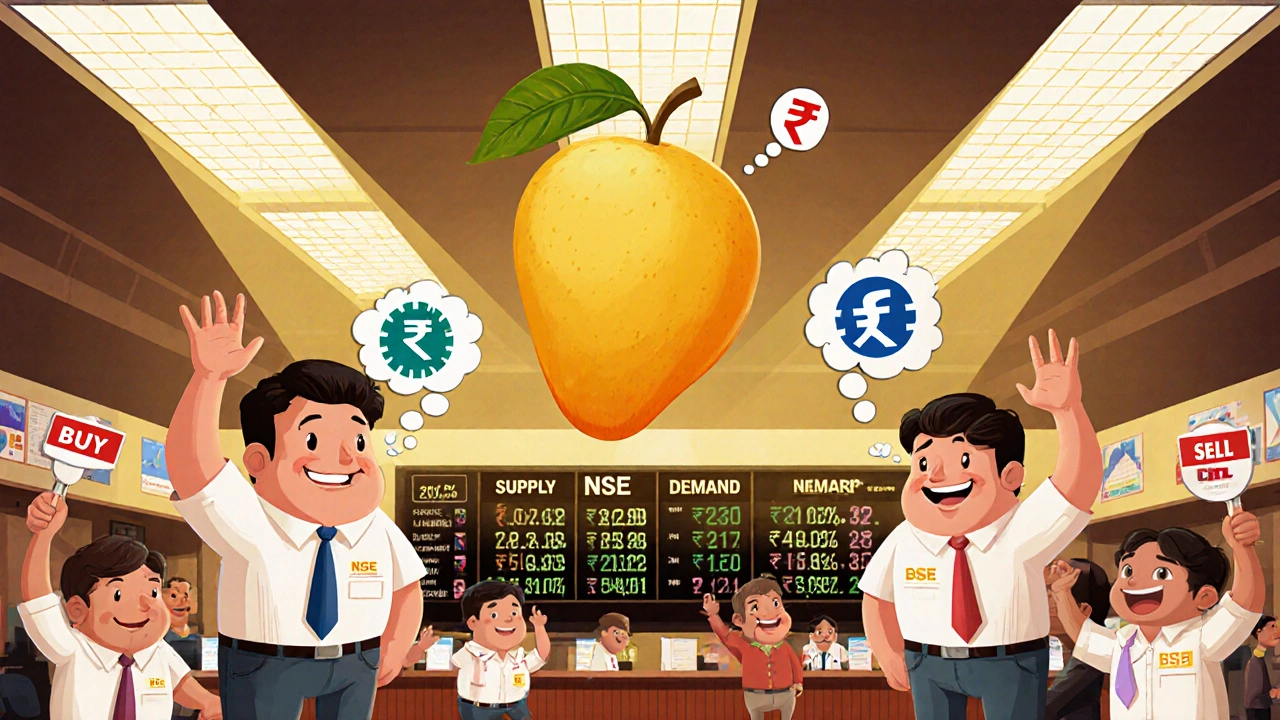
Learn how stock prices in India are determined by supply and demand, company performance, market sentiment, and macroeconomic factors like interest rates and foreign investment. Understand what really moves shares on the NSE and BSE.
Continue Reading