PPF Explained: What It Is, How It Works, and Why It Matters in India
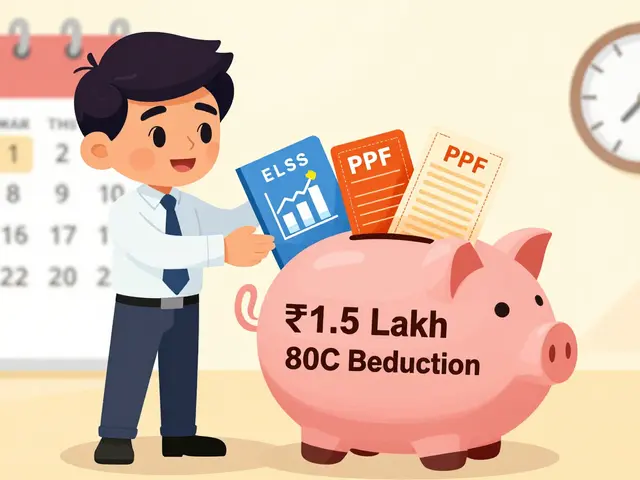
When you think about safe, tax-free savings in India, PPF, a government-backed long-term savings scheme designed to encourage disciplined investing. Also known as Public Provident Fund, it’s the go-to choice for millions who want growth without risk. Unlike stocks or mutual funds, PPF doesn’t swing with the market. It’s backed by the Indian government, which means your money is as safe as it gets. And because it’s covered under Section 80C of the Income Tax Act, you get a full deduction on what you invest—up to ₹1.5 lakh a year.
What makes PPF different isn’t just safety—it’s the combo of tax breaks, steady returns, and a lock-in period that actually helps you win. The money you put in earns interest every year, compounded annually, and that interest is completely tax-free when you withdraw. Right now, the rate hovers around 7.1%, which beats most bank fixed deposits. And unlike ELSS funds that lock your money for three years, PPF holds it for 15 years. That might sound long, but it’s the reason people end up with lakhs more by retirement. The longer you stay in, the more the compounding works for you. Many start with a small monthly deposit—₹500, ₹1,000—and by year 15, they’ve built a solid nest egg without ever touching the market.
It’s not just for salaried people. Self-employed workers, homemakers, even students opening their first account use PPF. It’s simple: open an account at any post office or authorized bank, deposit anytime between April and March, and let it grow. You can extend it in blocks of five years after 15 years, keep adding money, and still earn tax-free interest. There’s also partial withdrawal after year 7, and loans available from year 3. That flexibility makes it more than just a savings tool—it’s a financial anchor.
And while crypto wallets, Web3, and Bitcoin dominate headlines, PPF remains the quiet giant in Indian households. It doesn’t need a smartphone app or a crypto exchange. You don’t need to know what a blockchain is to use it. You just need to start. That’s why, even in a world of fast-moving tech, PPF still holds its ground. It’s the kind of thing your parents or grandparents would recommend—and they’re right.
Below, you’ll find real posts that dig into how PPF compares with other tax-saving tools, what the rules really mean, and how to make the most of it without getting lost in paperwork. Whether you’re new to investing or looking to optimize your existing plan, these guides cut through the noise and give you what actually matters.

Self-employed and freelance workers in India need a clear retirement plan. This guide covers NPS, PPF, SIPs, and tax strategies to build a secure retirement without employer support.
Continue Reading

Compare NPS and PPF in India to find out which retirement scheme suits your goals-guaranteed returns with PPF or higher growth with NPS. Know tax rules, risks, and how to use both together.
Continue Reading

Learn how to spread your Section 80C investments across the year using a simple monthly ladder strategy to maximize tax savings, reduce risk, and build wealth without last-minute stress.
Continue Reading

Understand the real difference between conservative and market-linked 80C investments in India. See how PPF and ELSS compare in risk, returns, and long-term growth for tax-saving goals.
Continue Reading