How to Switch from Tax-Saving FD to ELSS in India: Process, Tax Benefits & Timing
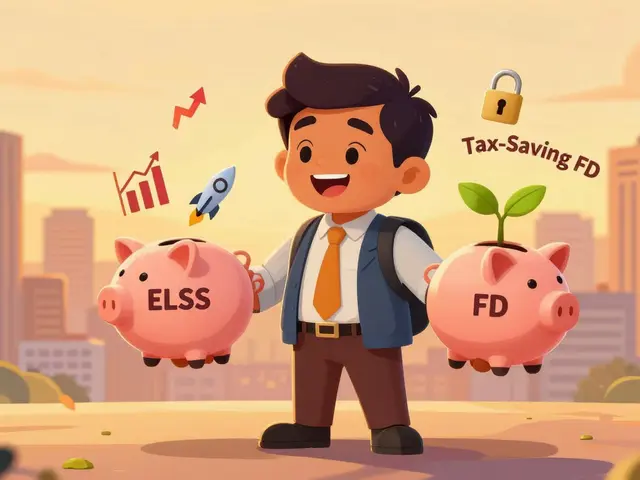
Imagine you have a fixed deposit that earns you a steady, predictable return but locks your money away for five years. Now imagine an investment option that offers the same tax deduction under Section 80C of the Income Tax Act, but potentially higher returns and a shorter lock-in period. This is exactly why many investors in India are looking at how to switch from a Tax-Saving Fixed Deposit (FD) to an Equity Linked Savings Scheme (ELSS). The move isn't just about chasing higher numbers; it's about optimizing your wealth creation while staying compliant with tax laws.
Why Consider Moving from Tax-Saving FD to ELSS?
The primary reason people stick with tax-saving FDs is safety. You know exactly what you will get back after five years. However, inflation often eats into those returns. If your FD gives you 7% interest and inflation is at 6%, your real return is barely 1%. Over decades, this gap widens significantly. On the other hand, ELSS mutual funds invest primarily in equities (stocks). Historically, equity markets in India have delivered annualized returns of 12-15% over long periods, although they come with volatility.
Another critical factor is the lock-in period. A tax-saving FD requires you to keep your money locked for five years. With ELSS, the lock-in is only three years. This two-year difference might not sound huge, but in compound interest terms, it allows your capital to work harder for you sooner. You can redeploy the unlocked amount into other growth opportunities or reinvest in the same fund if performance has been good.
Both instruments offer the same benefit: a deduction of up to ₹1.5 lakh per financial year under Section 80C. So, the tax angle remains neutral. The decision boils down to risk appetite, time horizon, and return expectations. If you are nearing retirement or cannot tolerate market swings, an FD might still suit you. But if you have 5-10 years before you need the money, ELSS usually wins on paper and in practice.
Understanding the Core Differences: FD vs ELSS
To make an informed switch, you need to understand how these two vehicles differ beyond just returns. Let’s break them down by key attributes.
| Feature | Tax-Saving FD | ELSS Mutual Fund |
|---|---|---|
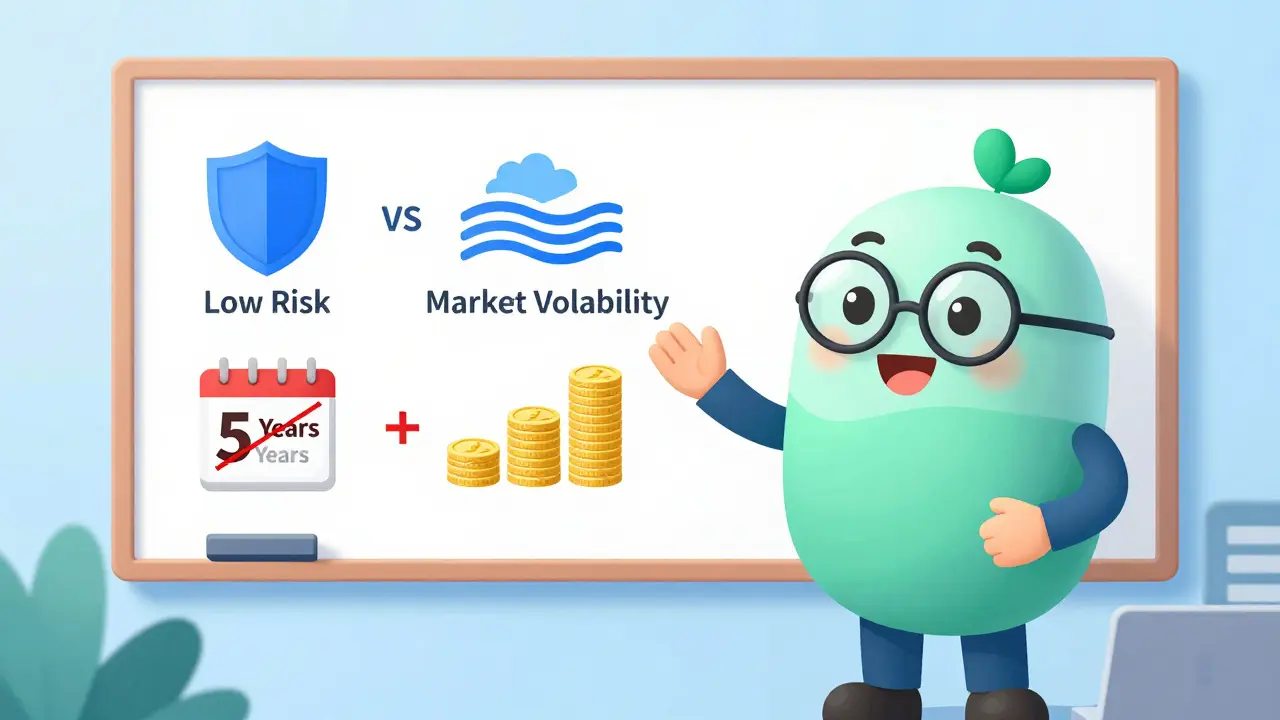
| Risk Level | Low (Capital protected) | Moderate to High (Market dependent) |
| Lock-in Period | 5 Years | 3 Years |
| Returns | Fixed (~6.5% - 7.5%) | Volatile (Historical avg ~12-15% CAGR) |
| Tax Treatment | Interest taxed as income | Long-term capital gains tax applies |
| Inflation Protection | Poor | Better (Equities beat inflation) |
| Liquidity | None until maturity | High after 3-year lock-in |
Notice the tax treatment row. For FDs, the interest earned is added to your total income and taxed according to your slab rate. If you are in the 30% tax bracket, you lose nearly a third of your interest earnings to tax. For ELSS, profits are subject to Long-Term Capital Gains (LTCG) tax. As of April 2024, LTCG above ₹1.25 lakh in a financial year is taxed at 12.5%. This structure often results in lower effective tax rates for high earners compared to FD interest taxation.
Step-by-Step Process to Switch Investments
You cannot directly "convert" an FD into an ELSS. Banks and mutual fund houses are separate entities with different regulatory frameworks. Therefore, the process involves closing one instrument and starting another. Here is how you do it without losing out on tax benefits or incurring penalties.
- Assess Your Current FD Status: Check when your tax-saving FD matures. If it is close to maturity (within 6-12 months), wait for it to mature. Premature withdrawal from a tax-saving FD attracts a penalty (usually 0.5% to 1% reduction in interest rate) and may void the tax benefit if done before five years. If you withdraw early, you must add that amount back to your taxable income and pay TDS if applicable.
- Start Investing in ELSS Early: Do not wait for the FD to mature to start investing in ELSS. You can begin investing in an ELSS fund immediately through a Systematic Investment Plan (SIP) or lump sum. This helps you build exposure gradually and smooth out market volatility via rupee cost averaging.
- Choose the Right ELSS Fund: Look for funds with consistent performance over 5-10 years, low expense ratios, and experienced fund managers. Don’t chase last year’s top performer. Focus on fundamentals like portfolio diversification and debt-equity mix within the scheme.
- Complete KYC Norms: Ensure your mutual fund KYC is updated. Most major registrars like CAMS and KRA allow e-KYC using Aadhaar and PAN. This step takes less than 24 hours.
- Reinvest FD Maturity Amount: Once your FD matures, take the principal plus interest. Reinvest the principal amount into your chosen ELSS fund. The interest earned from the FD should be declared in your ITR for that year.
- Update Your Financial Records: Keep track of your ELSS investment dates. Remember, each unit purchased has its own three-year lock-in clock. This flexibility allows you to redeem older units while keeping newer ones invested.
Tax Implications You Must Know
Switching investments triggers specific tax events. Understanding these ensures you don’t face surprises during filing season.
On FD Withdrawal: If you withdraw a tax-saving FD prematurely, the entire interest accrued becomes taxable in that year. More importantly, you lose the Section 80C deduction for that amount. You would need to find another eligible investment to claim the deduction, or accept a higher tax bill. If the FD matures normally, the interest is taxed annually as it accrues (on a cumulative basis), even though you receive it at the end. Make sure to report this correctly in Schedule AI of your ITR.
On ELSS Redemption: When you sell ELSS units after the three-year lock-in, any profit is treated as Long-Term Capital Gain. Currently, gains up to ₹1.25 lakh per financial year are exempt from tax. Gains exceeding this threshold are taxed at 12.5%. Unlike FDs, there is no TDS on ELSS redemption unless you are a specified taxpayer (like someone who doesn’t file returns regularly). Also, remember that indexation benefits do not apply to ELSS since it falls under equity-oriented funds.
A pro tip: If you are in a high tax bracket, consider holding ELSS units for more than three years to maximize compounding. The longer you hold, the more your absolute gains grow, and the relatively smaller impact of the 12.5% tax on your overall corpus.
Timing Is Everything: When to Make the Move
Timing your switch can significantly impact your outcomes. Here are some strategic considerations.
Before Budget Season: New tax laws often emerge in the Union Budget presented in July. While core structures rarely change overnight, monitoring announcements around Section 80C limits or LTCG thresholds is wise. Sometimes, governments tweak rules to encourage equity investments. Being ready to act quickly helps.
Market Valuations: Equity markets fluctuate. If valuations are extremely high (P/E ratios near historical peaks), entering all at once might expose you to short-term corrections. In such cases, use a staggered investment approach. Spread your FD maturity amount across 3-6 months via SIP into the ELSS. This reduces timing risk.
Personal Cash Flow Needs: Only switch if you don’t need the FD money for immediate liabilities like home EMIs, education fees, or medical emergencies. ELSS is illiquid for three years. Ensure your emergency fund (typically 6-12 months of expenses) is separate and accessible via liquid funds or savings accounts.

Common Mistakes to Avoid
Many investors make simple errors when transitioning from debt to equity. Here’s what to watch out for.
- Ignoring Risk Profile: Just because ELSS offers higher returns doesn’t mean it’s suitable for everyone. If seeing a 10% drop in your portfolio makes you lose sleep, stick to FDs or hybrid funds.
- Chasing Past Performance: Last year’s best-performing ELSS fund might not repeat next year. Look at consistency over 5-10 years rather than one-year spikes.
- Forgetting Lock-In Clock: Each SIP installment starts its own three-year lock-in. Don’t assume you can withdraw everything after three years from the first investment. Plan redemptions accordingly.
- Neglecting Expense Ratios: Higher expense ratios eat into your returns. Compare active management fees versus passive index funds within the ELSS category. Sometimes, a well-diversified index fund performs better than actively managed schemes after costs.
- Not Updating Nominee Details: Always update nominee information in your mutual folio. In case of unforeseen events, this ensures smooth transfer of assets.
Alternatives to Consider Before Switching
If ELSS feels too risky but FDs feel too restrictive, there are middle-ground options under Section 80C.
Public Provident Fund (PPF): Offers government-backed security with a current interest rate of around 7.1% (subject to quarterly revision). The lock-in is 15 years, but partial withdrawals are allowed after seven years. It’s great for conservative investors who want guaranteed returns.
National Pension System (NPS): Allows additional deduction of up to ₹50,000 under Section 80CCD(1B). NPS includes both equity and debt components. You can choose your asset allocation. At retirement, 60% of the corpus is tax-free, making it attractive for high-income earners.
Sukanya Samriddhi Yojana: Ideal if you have a daughter below 10 years old. It offers competitive interest rates (currently ~8.2%) and tax-free maturity proceeds. The lock-in lasts until the girl turns 21.
Evaluating these alternatives helps ensure you’re switching to ELSS for the right reasons-not just because it’s popular, but because it aligns with your financial goals.
Can I withdraw my Tax-Saving FD before 5 years?
Yes, but with penalties. Most banks reduce the interest rate by 0.5% to 1% for premature withdrawal. More critically, you lose the Section 80C tax deduction for that amount. You must include the withdrawn amount in your taxable income and pay taxes accordingly. It’s generally advisable to avoid early withdrawal unless it’s a genuine emergency.
What happens if the ELSS fund shows negative returns?
Unlike FDs, ELSS does not guarantee returns. Market downturns can lead to temporary losses. However, equity markets tend to recover over time. Since the lock-in is three years, you won’t be able to exit during a dip. This forces discipline, which historically works in favor of investors. Stick to diversified funds to mitigate single-stock risks.
Do I need to declare ELSS investments in my ITR?
Yes. You must declare ELSS investments under Chapter VI-A, Section 80C of your Income Tax Return. Provide the transaction details, including the date of investment and amount. Mutual fund houses provide consolidated statements annually. Use these to fill out your ITR accurately to claim deductions.
Is ELSS better than PPF for tax saving?
It depends on your risk tolerance and time horizon. PPF offers guaranteed, tax-free returns with a 15-year lock-in. ELSS offers potentially higher returns but with market risk and a 3-year lock-in. If you prioritize capital preservation, PPF is better. If you seek wealth creation and can handle volatility, ELSS is superior.
Can I invest in multiple ELSS funds simultaneously?
Absolutely. Diversifying across 2-3 ELSS funds from different asset management companies can reduce manager-specific risk. However, avoid over-diversification. Managing too many funds complicates tracking and redemption. Stick to quality funds with distinct strategies rather than spreading thinly across dozens.