Property Documents India: Essential Papers for Buyers and Owners
When you buy land or a home in India, you’re not just paying money—you’re buying a property document, a legal record that proves ownership and rights over real estate. Also known as title papers, these documents are the only thing standing between you and a claim from someone else. Without them, your home is just a structure with no legal backbone. In India, property isn’t just about bricks and mortar—it’s about paperwork that’s been signed, stamped, and registered over decades. Many people think owning a house means having a possession deed or a handover letter from the builder. That’s not enough. The law demands specific, verified documents to make your ownership real.
Key documents like the sale deed, the final contract that transfers ownership from seller to buyer, and the title deed, the historical chain of ownership going back to the original owner are non-negotiable. You also need the property tax receipt, proof you’ve paid local taxes, which confirms the property is registered with municipal authorities. Without these, you can’t get a home loan, sell the property, or even defend your claim in court. Many buyers skip checking the title history and end up stuck with disputes from previous owners, unpaid dues, or illegal constructions. That’s why every serious buyer in India checks these papers before signing anything.
What’s missing from most people’s checklist? The encumbrance certificate. It shows if the property has any loans, liens, or legal cases tied to it. If the seller took a mortgage and never cleared it, you could inherit that debt. The approved building plan, the official layout approved by the local development authority like Allahabad Development Authority matters too—especially if you plan to renovate or extend. Many properties in Prayagraj and other cities were built without permits, and that can lead to demolition orders later. You also need the conversion certificate, if the land was originally agricultural and changed to residential use. Skip this, and your sale could be voided.
These aren’t just forms. They’re your protection. The Allahabad Development Authority and other urban bodies in India now require digital verification of these documents for new registrations. But even with tech upgrades, fraud still happens—fake signatures, altered dates, forged stamps. That’s why every buyer should cross-check documents with the sub-registrar’s office and get a lawyer to review them. You don’t need to be an expert. You just need to know what to ask for.
Below, you’ll find real guides that break down each of these documents—how to get them, what to watch for, and what happens when things go wrong. Whether you’re buying your first home in Prayagraj or investing in a commercial plot, the right papers make all the difference.
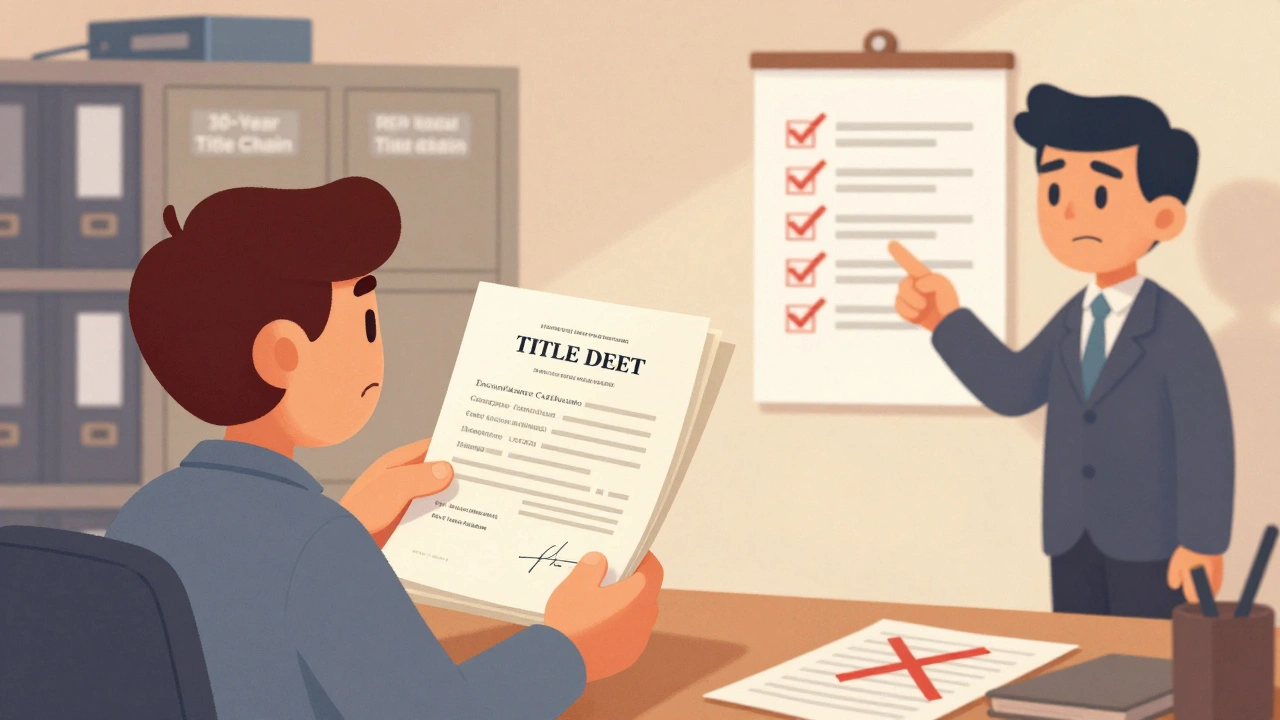
Avoid costly mistakes when buying property in India with this essential checklist of legal documents. From title deeds to RERA registration, know exactly what papers you need for a safe investment.
Continue Reading