Property Verification India: How to Check Land Records, Title, and Legal Status
When you buy land or a home in India, property verification, the process of confirming legal ownership, title history, and compliance with local laws. Also known as title search, it’s not just a formality—it’s the only thing that stops you from losing your money to fake documents, unpaid loans, or disputed land. Too many buyers skip this step, only to realize years later that the seller didn’t own the land, or the property is under litigation. In cities like Prayagraj, where old records are scattered across offices, and new developments are rising fast, skipping verification can cost you everything.
Property verification in India isn’t one task—it’s a chain of checks. You need to confirm the title deed, the official document proving ownership. Also known as sale deed, it must match the seller’s name and be registered with the sub-registrar’s office. Then there’s the land records, the government’s official database of who owns what, how much tax is paid, and if there are any encumbrances. Also known as 7/12 extract or jamabandi, depending on the state. These records show if the land was inherited, gifted, or sold before—and if there are pending loans or court cases. In Uttar Pradesh, you can check these online through the Bhulekh portal, but many still rely on local patwaris, which opens the door for errors and fraud.
You also need to verify RERA registration, whether the project is approved by the Real Estate Regulatory Authority. Also known as real estate compliance, it ensures the builder can legally sell units and must deliver on time. If the project isn’t registered, you have zero legal protection if possession is delayed or the project stalls. And don’t forget the encumbrance certificate, a document that shows if the property has any legal claims or loans tied to it. Also known as EC, it’s usually issued for the last 13 years and must be obtained from the sub-registrar’s office. Without it, you could inherit someone else’s debt.
Property verification isn’t just for buyers. Landlords, investors, and even those inheriting property need to do it. In Prayagraj, where old family plots are being divided and sold, unclear titles are common. A simple mistake—like a misspelled name or an unregistered gift deed—can make your property unmarketable. The good news? The tools to verify ownership are here. Online portals, RERA databases, and digital land records are making it easier than ever. But you still need to know what to look for.
Below, you’ll find real guides from people who’ve been through the process—how to read a sale deed, how to spot a fake property document, how to file a complaint if your possession is delayed under RERA, and how to use tax benefits like Section 80C when buying legally verified property. These aren’t theory pieces. They’re step-by-step fixes for real problems Indian buyers face every day.
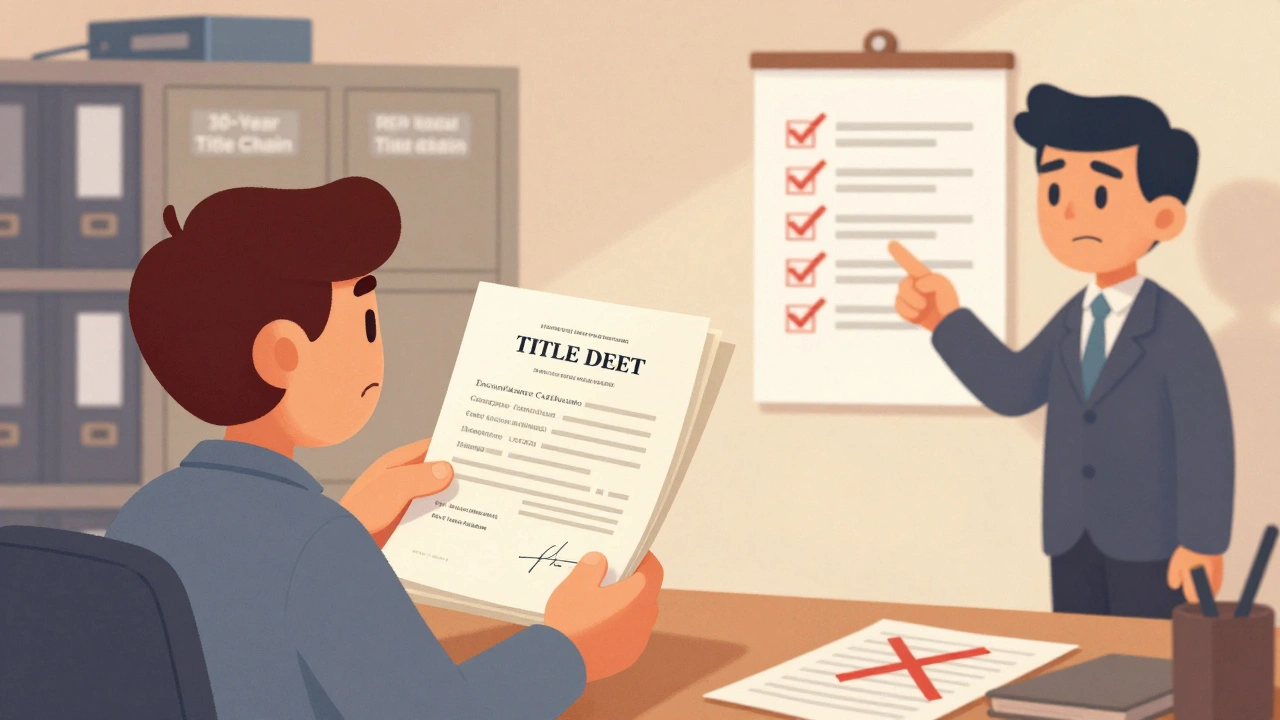
Avoid costly mistakes when buying property in India with this essential checklist of legal documents. From title deeds to RERA registration, know exactly what papers you need for a safe investment.
Continue Reading